

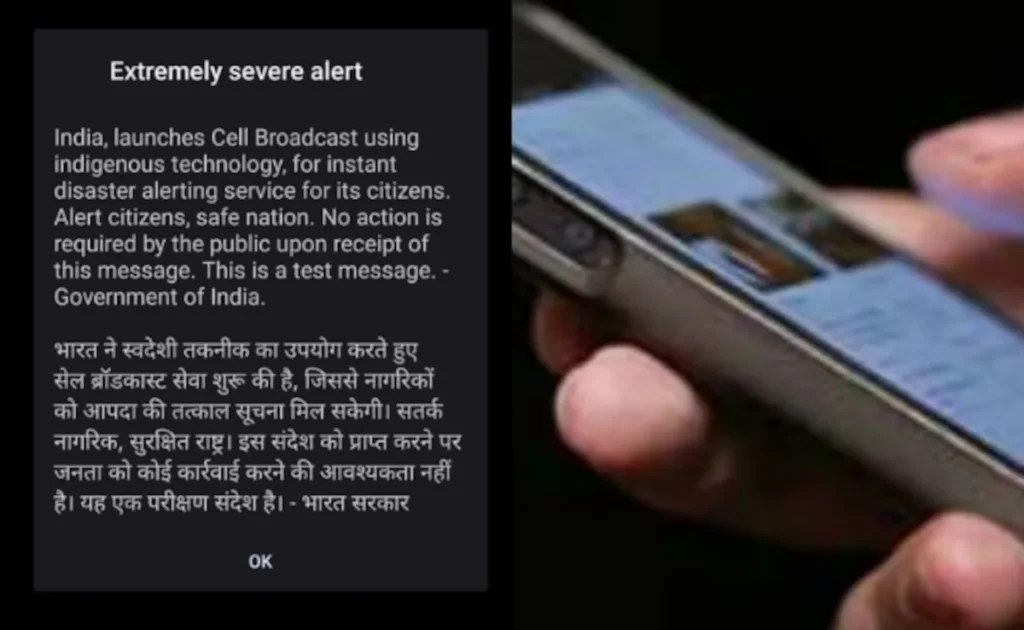
On May 3, 2026, millions of mobile users across India were startled by a loud, unexpected notification flashing on their screens: Extremely Severe Alert. Within seconds, confusion spread as people wondered whether it was a real emergency or a technical glitch. Social media platforms were flooded with reactions, screenshots, and questions.
However, authorities soon clarified that this was not a real crisis—but a planned nationwide test of India’s disaster alerting system. The initiative aims to strengthen public safety infrastructure and ensure that citizens receive timely warnings during emergencies such as earthquakes, floods, cyclones, or other disasters.
What Was the Extremely Severe Alert?
Understanding the Message
The alert message appeared as a high-priority notification accompanied by a loud alarm sound that could not be easily ignored. It was labeled as “Extremely Severe”, which is typically reserved for life-threatening situations.
The alert was broadcast using the Cell Broadcast System (CBS), a technology that allows government agencies to send messages to multiple mobile users in a specific geographical area simultaneously—without needing individual phone numbers.
Why It Felt So Real
Unlike regular SMS messages, this alert:
- Overrode silent mode on many devices
- Displayed prominently on the screen
- Used urgent language
- Came with a loud, attention-grabbing sound
This combination made it feel like a real emergency, which explains why many people initially panicked.
Purpose Behind the Nationwide Test
Strengthening Disaster Preparedness
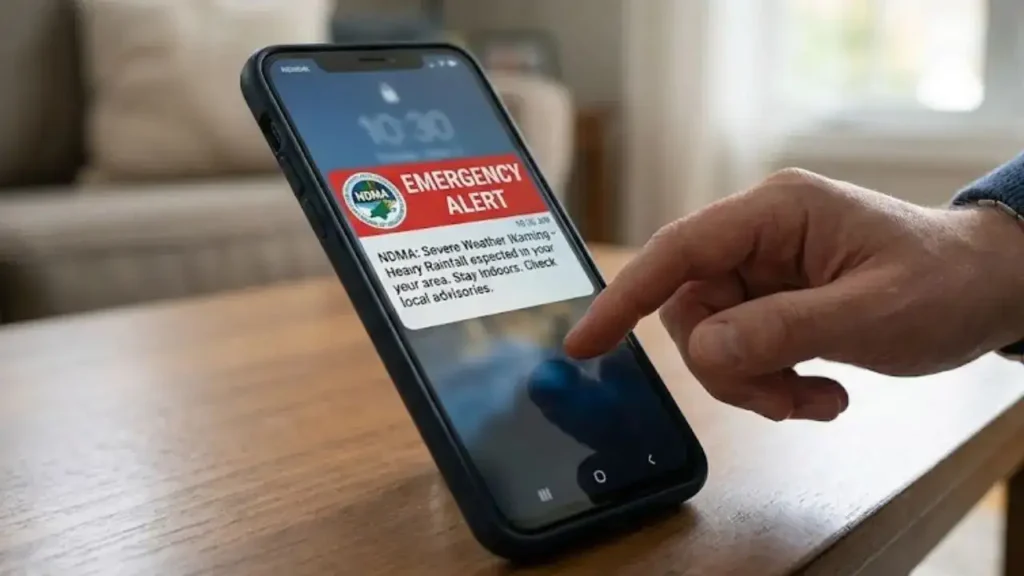
The main goal of this exercise is to ensure that India is prepared for real emergencies. Natural disasters often occur without warning, and timely communication can save thousands of lives.
By testing the system, authorities can:
- Identify technical issues
- Measure delivery speed
- Check network compatibility
- Improve message clarity
Government’s Initiative
The test was conducted under the supervision of the National Disaster Management Authority in collaboration with the Department of Telecommunications. These agencies are responsible for disaster preparedness and communication infrastructure in the country.
How the Cell Broadcast System Works
Technology Behind the Alerts
The Cell Broadcast System is different from traditional messaging. Instead of sending messages individually, it broadcasts signals through mobile towers.
Key features include:
- Instant delivery to all devices in a specific area
- No need for internet connection
- Works on basic and smartphones
- Can target specific regions
Advantages Over SMS
- Faster than SMS during network congestion
- More reliable in emergencies
- Can reach a large population simultaneously
- Doesn’t require user registration
This makes CBS one of the most effective tools for mass emergency communication.
Public Reaction and Social Media Buzz
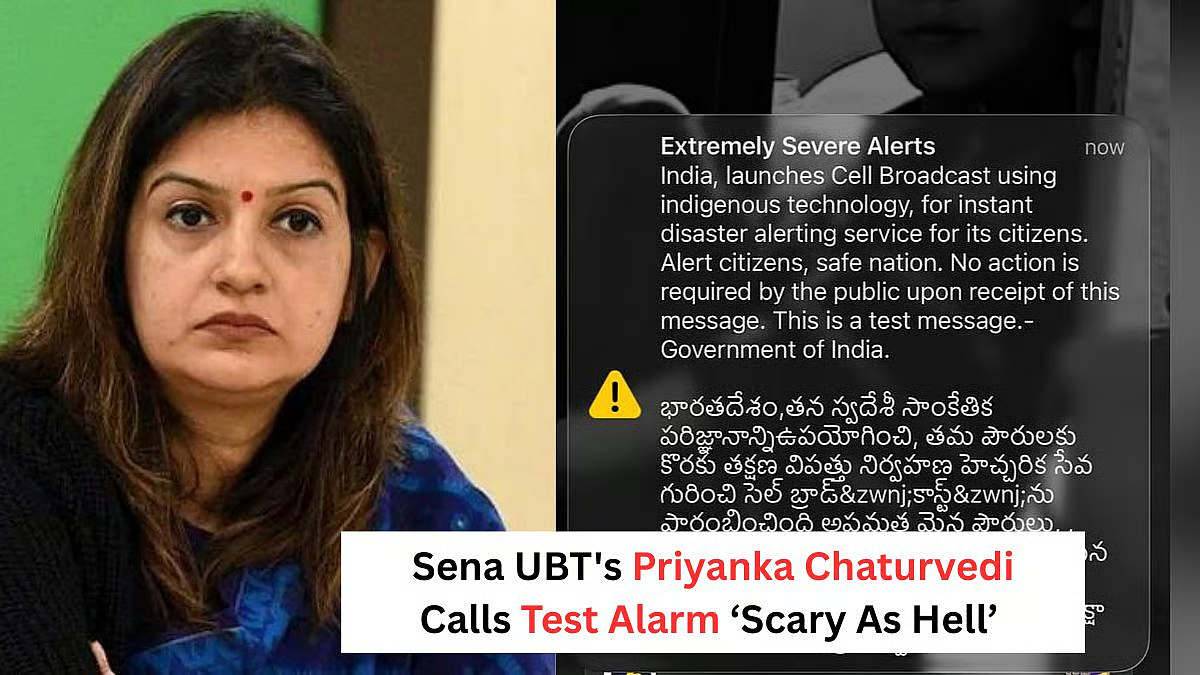
Panic and Confusion
As soon as the alert appeared, people across cities like Delhi, Mumbai, and Bengaluru began sharing their experiences online. Many thought it was related to:
- Earthquake warnings
- Military emergencies
- Network hacks
The suddenness of the alert caused temporary panic, especially among those unaware of the test.
Viral Trend on Social Media
Platforms like Twitter and Instagram saw a surge in posts, memes, and discussions. Hashtags like #EmergencyAlert and #ExtremelySevere started trending within minutes.
Importance of Emergency Alert Systems in India
A Disaster-Prone Country
India is vulnerable to multiple natural disasters, including:
- Floods in northern and eastern regions
- Cyclones along coastal areas
- Earthquakes in Himalayan zones
- Heatwaves in central and western parts
An efficient alert system can significantly reduce casualties and damage.
Learning from Past Events
Past disasters have shown that delayed communication can worsen situations. With a system like CBS, authorities can send:
- Evacuation instructions
- Safety guidelines
- Real-time updates
This helps citizens take quick and informed actions.
Challenges and Areas of Improvement
Lack of Awareness
One of the biggest issues highlighted by this test was public unawareness. Many people did not know that such tests were scheduled, leading to unnecessary panic.
Technical Limitations
Some users reported:
- Not receiving the alert
- Receiving it multiple times
- Language barriers in understanding the message
These issues indicate that further improvements are needed before full-scale implementation.
What Should Citizens Do During Real Alerts?
Stay Calm and Read Carefully
If you receive such an alert in the future:
- Do not panic
- Read the message fully
- Follow official instructions
Verify Information
Always rely on trusted sources like:
- Government announcements
- Official apps
- News channels
Avoid spreading rumors or unverified information.
Future of Disaster Communication in India
Expanding the System
The government plans to expand this system further by:
- Adding regional language support
- Improving accuracy
- Integrating with weather and disaster prediction systems
Building a Safer Nation
With advancements in technology, India is moving toward a more proactive disaster management approach. Systems like CBS can play a crucial role in saving lives and minimizing damage.
Final Overview
The “Extremely Severe” alert that buzzed phones across India may have caused temporary panic, but it also highlighted a critical step toward modernizing disaster preparedness. While the test exposed gaps in awareness and technical execution, it ultimately serves a larger purpose—ensuring that when a real emergency strikes, the nation is ready.
As India continues to strengthen its emergency response systems, public awareness and cooperation will be just as important as technology. The next time such an alert appears, it might not just be a test—it could be a lifesaving warning.