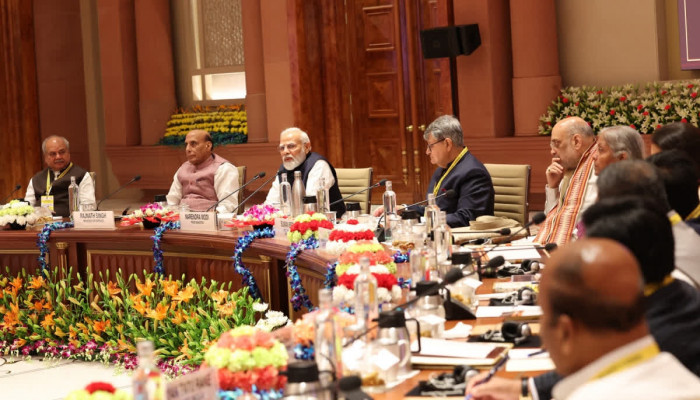

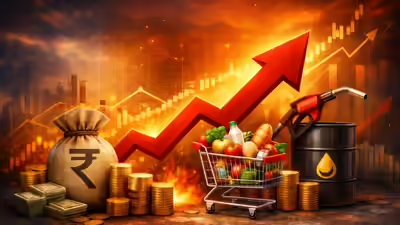
The world is facing growing concerns over rising food prices as geopolitical tensions in the Middle East continue to disrupt fertilizer supplies and global trade routes. Governments, economists, and agriculture experts are warning that the ongoing Iran conflict could trigger a major food inflation crisis in the coming months.
From Asia to Europe and Africa, farmers are already experiencing higher fertilizer costs, delayed shipments, and uncertainty about future crop production. As supply chains struggle to recover, millions of consumers worldwide may soon face higher grocery bills and rising inflation.
The situation has quickly become one of the most discussed global economic and government issues trending on Google today.
Why Global Food Prices Are Suddenly Rising
Food prices are heavily connected to energy, transportation, and fertilizer availability. The current Middle East tensions have disrupted all three sectors simultaneously.
One of the biggest concerns is the disruption in fertilizer exports moving through the Strait of Hormuz, a critical shipping route for global trade. Analysts warn that nearly one-third of global fertilizer trade passes through this region.
Because fertilizers are essential for modern farming, any supply disruption directly impacts agricultural production and crop yields.
Governments fear this could eventually lead to:
- Higher prices for wheat, rice, vegetables, and grains
- Increased farming costs
- Food shortages in vulnerable countries
- Rising inflation worldwide
- Pressure on household budgets
The Iran Conflict’s Impact On Fertilizer Supply
Strait Of Hormuz Becomes A Major Global Concern
The Strait of Hormuz is one of the world’s most important shipping routes for oil, gas, and fertilizer-related products.
Due to escalating tensions linked to Iran, shipping activity in the region has slowed significantly. Several reports indicate disruptions in the movement of urea, ammonia, and nitrogen fertilizers.
Experts say this situation is creating panic in global fertilizer markets because many countries depend heavily on imports from the Middle East.
Natural Gas Prices Are Also Rising
Fertilizer production depends heavily on natural gas. In fact, energy costs can account for nearly 70% of fertilizer production expenses.
As natural gas prices rise due to geopolitical tensions, fertilizer manufacturers are facing higher operating costs. Some factories have reportedly reduced production because of expensive fuel and supply shortages.
This combination of rising energy costs and limited fertilizer availability is putting additional pressure on global agriculture.
Farmers Across The World Are Feeling The Pressure

Developing Countries Face Greater Risk
Farmers in developing nations are among the hardest hit by the fertilizer crisis. Many small farmers already struggle with climate change, rising fuel costs, and limited financial support.
Now, the sharp increase in fertilizer prices is making farming even more expensive.
Agriculture experts warn that if farmers reduce fertilizer use to save money, crop yields could decline sharply during upcoming harvest seasons.
This may especially impact:
- African countries
- South Asian nations
- Southeast Asian agricultural economies
- Import-dependent food markets
Planting Seasons Could Be Affected
Timing is critical in farming. Delayed fertilizer deliveries during planting seasons can significantly reduce production.
Several reports suggest farmers in different parts of the world are already delaying purchases or reducing fertilizer usage because of rising prices.
Agriculture analysts say this could create long-term effects on global food supply chains.
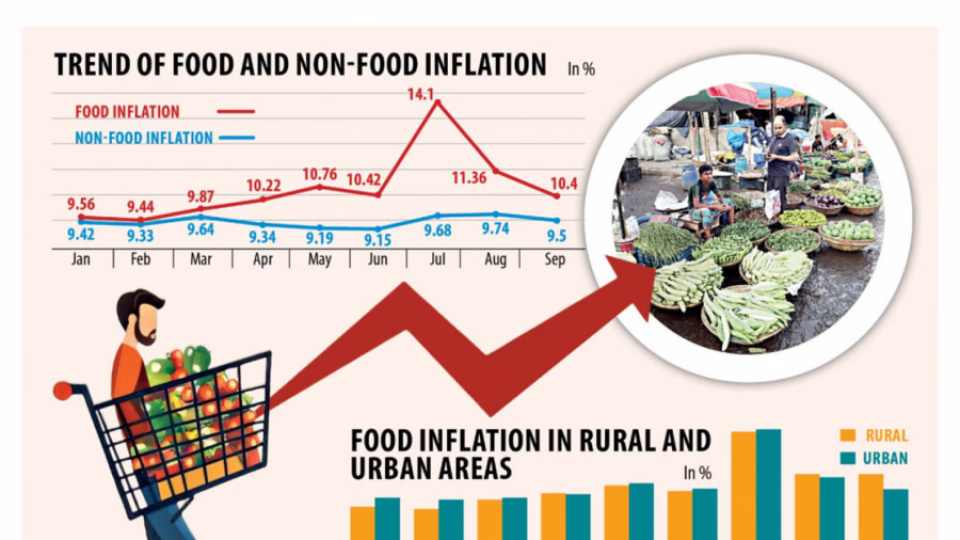
Governments Respond To Food Inflation Threat
Emergency Planning Begins In Several Countries
Governments are now preparing for possible food inflation spikes by reviewing fertilizer reserves, import strategies, and agricultural subsidies.
Some countries are reportedly:
- Increasing fertilizer imports from alternative suppliers
- Offering support to farmers
- Expanding food security programs
- Monitoring inflation closely
- Reviewing export restrictions on food products
India, for example, has been closely monitoring fertilizer availability ahead of major crop seasons.
Central Banks Worried About Inflation
Rising food prices could also create problems for central banks trying to control inflation.
Economic experts warn that higher food and fuel prices may force governments to maintain higher interest rates for a longer period.
This could impact:
- Loan interest rates
- Housing markets
- Consumer spending
- Economic growth
- Global financial stability
Fertilizer Companies See Massive Price Surges
Fertilizer Prices Continue Climbing
Global fertilizer companies are reporting sharp price increases due to supply shortages and rising demand.
Some fertilizer products, including urea and ammonia, have witnessed significant price jumps in recent months.
Industry analysts believe prices may remain volatile throughout 2026 if geopolitical tensions continue.
Supply Chains Under Pressure
Shipping disruptions are creating additional logistical challenges for fertilizer companies and exporters.
Reports suggest cargo movement through critical routes has slowed significantly because of security concerns and rising transportation costs.
As shipping costs rise, food production expenses also increase across the supply chain.
Food Security Concerns Growing Worldwide
Experts Warn About A Possible Global Food Crisis
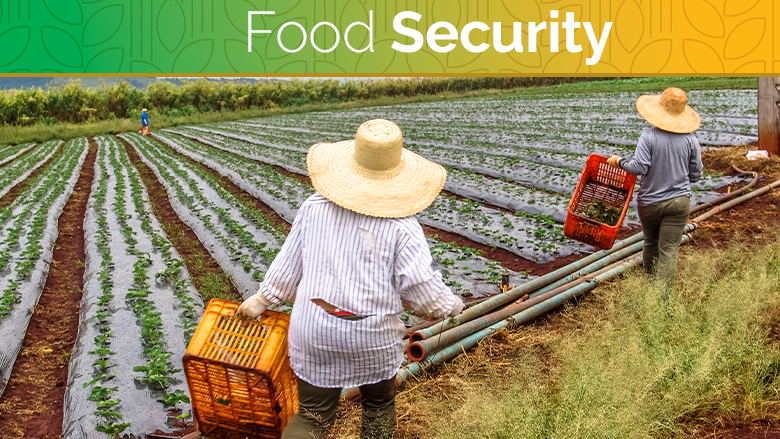
Several international organizations and food policy experts have warned that prolonged fertilizer shortages could threaten global food security.
The concern is especially serious in countries where millions of people already face food insecurity and poverty.
Experts fear the world could see:
- Higher hunger rates
- Increased malnutrition
- Political unrest linked to food costs
- Supply shortages in poorer nations
- Greater dependence on government support programs
Consumers May Soon Feel The Impact
Although the full impact has not yet reached supermarkets in many countries, economists say consumers could begin noticing price increases over the coming months.
Potentially affected products include:
- Bread and cereals
- Rice and wheat products
- Vegetables and fruits
- Dairy items
- Cooking oils
- Meat products
This is because higher farming and transportation costs eventually reach retail markets.
Social Media And Public Reactions Go Viral
The topic of global food inflation is now trending widely across social media platforms and online forums.
Many users are expressing concern over:
- Rising grocery bills
- Inflation pressure on families
- Supply chain disruptions
- Economic uncertainty
- Future food shortages
Several viral discussions online compare the current situation to previous global inflation crises triggered by geopolitical conflicts and supply chain breakdowns.
What Could Happen Next?
Best-Case Scenario
If geopolitical tensions reduce and trade routes reopen normally, fertilizer supplies could stabilize over time.
Governments and manufacturers may then gradually rebuild inventories and reduce market panic.
Worst-Case Scenario
However, if the conflict continues and supply disruptions worsen, experts warn the world could face a larger food inflation crisis by late 2026.
Possible risks include:
- Severe food price increases
- Crop production declines
- Economic instability
- Global inflation spikes
- Humanitarian crises in poorer nations
Final Thoughts
Global food price concerns are becoming one of the biggest economic and government issues of 2026. The ongoing Iran conflict, fertilizer shortages, rising energy prices, and shipping disruptions are creating serious uncertainty for farmers, governments, and consumers worldwide.
While governments are trying to manage the situation through subsidies, imports, and policy measures, experts warn that the coming months will be critical for global food security.
If fertilizer supply chains fail to stabilize soon, households across the world could face another wave of inflation driven by rising food costs. The situation highlights how deeply connected global agriculture, energy markets, and geopolitical events have become in today’s economy.