

The world of space exploration is entering an exciting new phase in 2026, with major advancements being driven by leading agencies like NASA and ISRO. From ambitious lunar missions to cutting-edge satellite launches, the global space race is intensifying like never before.
These developments are not just about exploring the unknown—they are also transforming communication, climate monitoring, and scientific research on Earth. As a result, space and science updates continue to trend globally, attracting attention from both experts and the general public.
A New Era of Space Exploration
Space agencies across the world are now focusing on long-term missions that go beyond traditional exploration. The goal is not just to visit space, but to build sustainable systems for future generations.
Expanding Human Presence Beyond Earth
One of the biggest goals for agencies like NASA is to establish a long-term human presence on the Moon and eventually Mars. Programs such as lunar exploration missions are laying the groundwork for this vision.
Similarly, ISRO is expanding its capabilities with advanced launch vehicles and interplanetary missions, strengthening India’s position in global space research.
Why It Matters
These missions are not just scientific achievements—they also help in developing technologies that can be used on Earth, including better navigation systems, communication tools, and environmental monitoring.
Satellite Launches Driving Global Connectivity
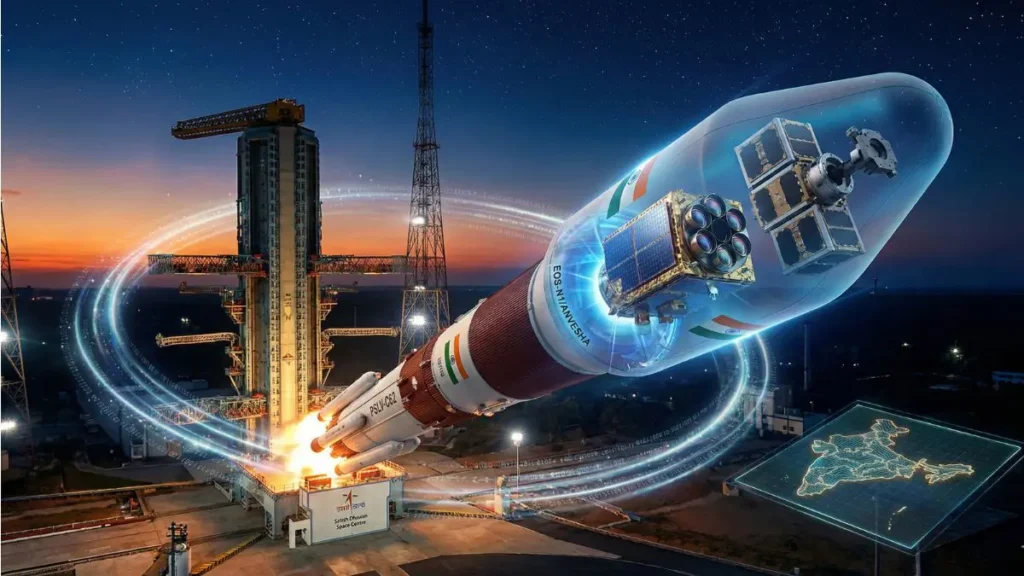
Satellite technology has become one of the most important aspects of modern life. From GPS navigation to internet services, satellites play a crucial role in daily operations.
Increasing Number of Satellite Missions
Both NASA and ISRO are actively launching satellites for various purposes:
- Communication
- Weather forecasting
- Earth observation
- Defense and security
Private companies are also entering the space sector, making satellite launches more frequent and cost-effective.
Impact on Everyday Life
Satellite advancements have improved:
- Internet connectivity in remote areas
- Disaster management systems
- Real-time weather updates
These benefits highlight how space technology directly affects people on Earth.
Upcoming Missions to Watch in 2026
The year 2026 is expected to witness several groundbreaking missions that could redefine space explorati
Lunar and Mars Missions
NASA is preparing for advanced lunar missions aimed at sending astronauts back to the Moon. These missions are part of a broader strategy to prepare for human exploration of Mars.
On the other hand, ISRO is working on follow-up missions building on its earlier successes, with a focus on planetary exploration and advanced satellite deployment.
Scientific Experiments in Space
Upcoming missions will also carry advanced scientific instruments designed to study:
- Space radiation
- Planetary surfaces
- Possibility of life beyond Earth
These experiments could provide answers to some of the biggest questions in science.
Breakthroughs in Space Research
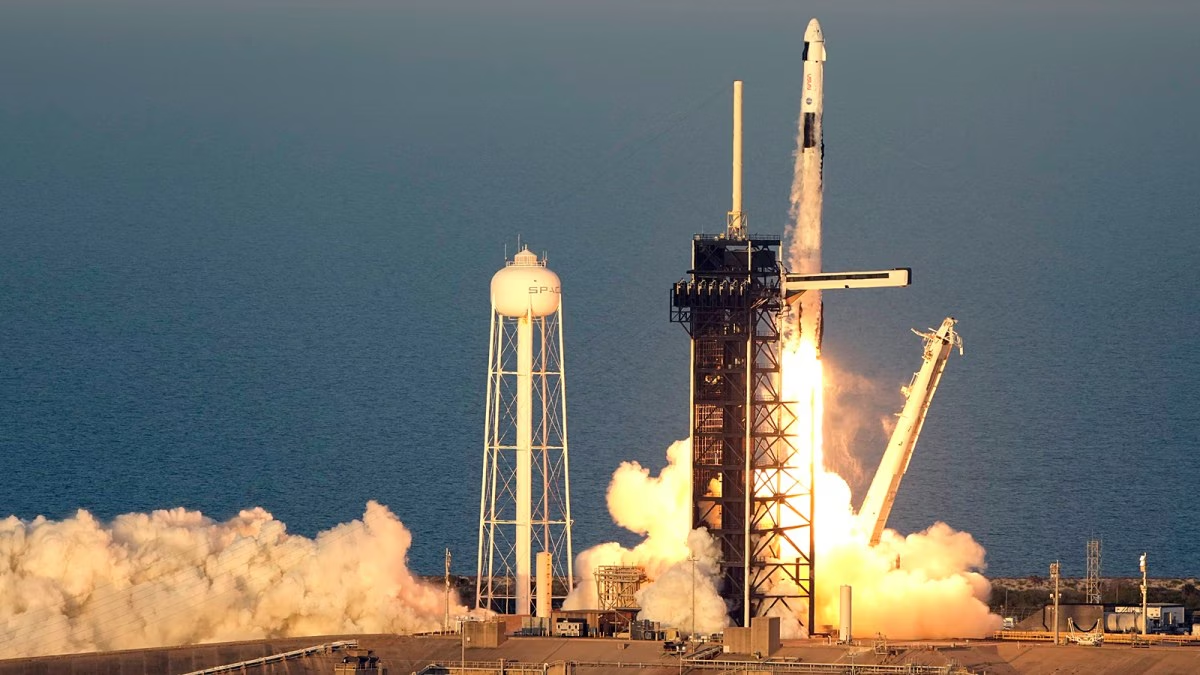
Space exploration is advancing at an unprecedented pace, with constant new discoveries emerging. Scientists are using advanced technology to explore deeper into the universe.
Innovations in Space Technology
Recent advancements include:
- Reusable rockets
- AI-powered space missions
- Advanced telescopes
These innovations are reducing costs and increasing efficiency in space exploration.
Discoveries Beyond Our Planet
Researchers are continuously discovering new planets, studying black holes, and analyzing distant galaxies. These findings are helping scientists understand the origin and structure of the universe.
Role of Space Science in Climate Monitoring
One of the most important contributions of space science is in monitoring Earth’s climate.
Tracking Environmental Changes
Satellites launched by NASA and ISRO are used to track:
- Global temperature changes
- Melting glaciers
- Deforestation
- Ocean levels
Helping Governments Take Action
This data helps governments and organizations make informed decisions to combat climate change and manage natural resources effectively.
Global Collaboration in Space
Space exploration is no longer limited to individual countries. International collaboration is becoming increasingly important.
Partnerships Between Agencies
Agencies like NASA often collaborate with other global organizations, including ISRO, to share knowledge and resources.
Benefits of Collaboration
- Reduced mission costs
- Faster technological development
- Shared scientific knowledge
This cooperative approach is helping humanity achieve greater milestones in space exploration.
The Bigger Picture
The rapid advancements in space and science highlight a future full of possibilities. With continuous efforts from agencies like NASA and ISRO, humanity is moving closer to unlocking the mysteries of the universe.
These developments are not just about exploration—they are about innovation, sustainability, and improving life on Earth. As technology continues to evolve, space science will remain one of the most exciting and impactful fields in the world.