
New Era of Influencer Marketing
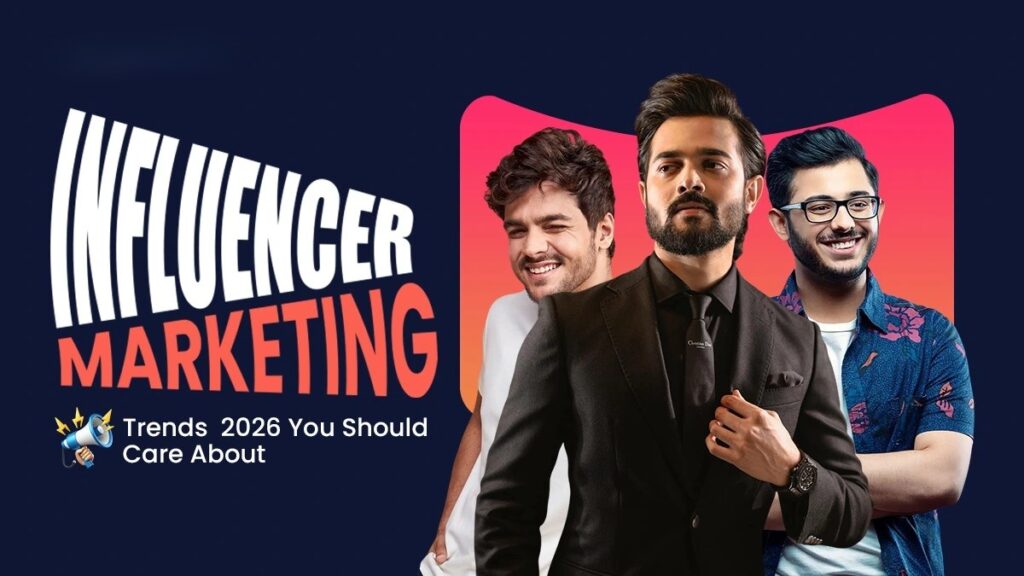
Influencer marketing has evolved from a trend into a core pillar of digital strategy. What started as simple brand endorsements by celebrities has now transformed into a sophisticated ecosystem driven by authenticity, data, and long-term value.
Platforms like Instagram, YouTube, and TikTok have accelerated this shift, enabling everyday creators to build loyal communities and influence purchasing decisions at scale.
In 2026, brands are no longer asking “Should we use influencers?”—they are asking “How do we build sustainable growth through influencers?”
The Shift from Celebrity Influence to Community Trust
Rise of Micro-Influencers
One of the biggest changes in influencer marketing is the rise of micro-influencers—creators with smaller but highly engaged audiences (typically 10K–100K followers).
Unlike mega-celebrities, micro-influencers offer:
- Higher engagement rates
- Niche audience targeting
- Stronger trust and authenticity
Consumers today are more likely to trust recommendations from relatable creators rather than polished celebrity endorsements.
Why Trust Matters More Than Reach
Modern audiences are highly aware of paid promotions. They value:
- Honest reviews
- Real-life experiences
- Transparent collaborations
This is why micro-influencers are becoming the preferred choice for brands aiming to build credibility rather than just visibility.
Performance-Based Collaborations Are Taking Over
From Fixed Payments to ROI-Driven Deals
Traditional influencer marketing relied heavily on fixed payments per post. However, brands are now shifting to performance-based models where influencers are paid based on results.
These results can include:
- Sales conversions
- Website clicks
- App downloads
- Lead generation
This approach ensures that brands get measurable returns on investment (ROI).
Affiliate Marketing Integration
Performance-based collaborations often include affiliate links or discount codes, allowing brands to track exactly how much revenue each influencer generates.
Benefits include:
- Better budget control
- Data-driven decision-making
- Stronger accountability
This model aligns the goals of both brands and influencers, creating a win-win partnership.
Long-Term Partnerships Over One-Time Promotions
Building Brand Ambassadors
Another major evolution is the shift from one-off campaigns to long-term collaborations. Brands are now working with influencers over months or even years.
This helps in:
- Building consistent brand messaging
- Increasing audience trust
- Creating deeper storytelling
Instead of a single sponsored post, influencers become brand ambassadors.
Consistency Drives Conversion
When audiences see the same influencer repeatedly using a product, it creates:
- Familiarity
- Credibility
- Higher purchase intent
Long-term partnerships are proving to be far more effective than short-term promotions.
The Role of AI and Data in Influencer Marketing
Smarter Influencer Selection
With the rise of AI tools, brands can now analyze:
- Audience demographics
- Engagement quality
- Fake follower detection
- Content performance
Companies like Google and Meta are investing in AI-driven advertising and analytics tools that enhance influencer marketing strategies.
Predictive Campaign Optimization
AI helps marketers predict:
- Which influencer will perform best
- What type of content will go viral
- When to post for maximum reach
This reduces guesswork and improves campaign success rates significantly.
Content Trends Shaping Influencer Marketing
Short-Form Video Dominance
Short videos are currently the most powerful content format. Platforms like TikTok and Instagram Reels are driving massive engagement.
Why it works:
- Quick consumption
- High entertainment value
- Algorithmic boost
Influencers who master short-form content are seeing exponential growth.
Authentic and Raw Content
Highly polished ads are losing effectiveness. Instead, audiences prefer:
- Behind-the-scenes content
- Day-in-the-life videos
- Honest product reviews
Authenticity is now the currency of influence.
Challenges in Modern Influencer Marketing
Fake Followers and Engagement Fraud
Despite advancements, influencer marketing still faces issues like:
- Fake followers
- Bot-generated engagement
- Misleading metrics
Brands must carefully vet influencers before collaboration.
Oversaturation and Audience Fatigue
With so many sponsored posts, audiences can feel overwhelmed. This leads to:
- Lower engagement
- Reduced trust
- Ad fatigue
To overcome this, brands must focus on quality over quantity.
The Future of Influencer Marketing
Niche Communities Will Dominate
The future lies in hyper-targeted communities. Instead of reaching millions, brands will focus on reaching the right audience.
Examples include:
- Fitness enthusiasts
- Tech reviewers
- Finance educators
Niche influencers drive higher conversions.
Integration with E-commerce
Influencer marketing is becoming directly linked to sales through:
- In-app shopping features
- Live commerce events
- Direct checkout options
This makes the customer journey seamless and instant.
Why Influencer Marketing Is Here to Stay
Human Connection in a Digital World
Despite AI and automation, people still trust people. Influencers provide a human touch that traditional ads cannot replicate.
They act as:
- Advisors
- Entertainers
- Community leaders
Adaptability Across Industries
Influencer marketing works across industries such as:
- Fashion
- Technology
- Finance
- Education
- Healthcare
Its flexibility makes it one of the most powerful marketing tools today.
Final Thoughts
Influencer marketing in 2026 is no longer about follower counts—it’s about trust, performance, and long-term value. The rise of micro-influencers, performance-based collaborations, and brand partnerships shows a clear shift toward more authentic and measurable marketing strategies.
As technology continues to evolve, brands that focus on genuine relationships, data-driven decisions, and meaningful content will lead the next phase of digital marketing success.
In this rapidly changing landscape, one thing is certain: influencer marketing is not just evolving—it is redefining how brands connect with audiences worldwide.