
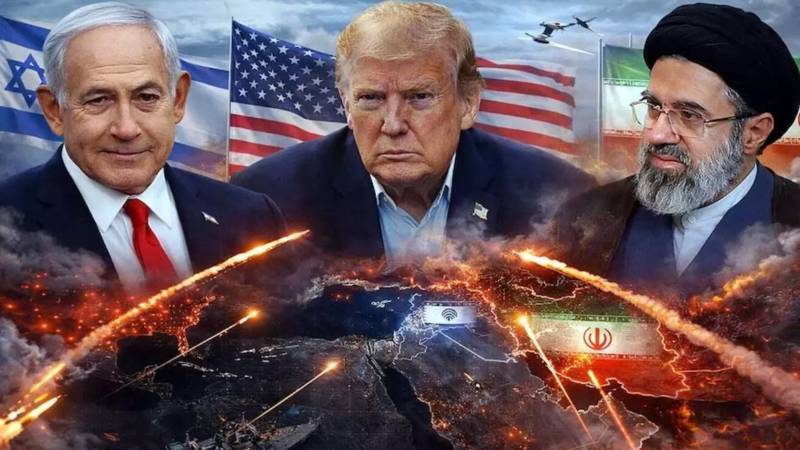
The phrase “Middle East Crisis Escalates” is once again dominating global headlines as tensions between major powers intensify. Recent developments involving countries like Iran and United States have raised concerns about a potential large-scale conflict. With strategic routes and geopolitical interests at stake, the situation is becoming increasingly complex and dangerous.
Rising Conflict in Strategic Regions
One of the most critical flashpoints in this crisis is the Strait of Hormuz, a narrow but vital waterway through which a significant portion of the world’s oil supply passes. Reports suggest that rising hostilities have led to threats of blockades and disruptions in oil shipments.
Impact on Global Oil Supply
Any instability in this region directly impacts oil prices worldwide. As tensions escalate:
- Oil prices are witnessing sharp increases
- Supply chains are getting disrupted
- Energy-importing countries are facing economic pressure
Countries heavily dependent on oil imports, including India, may experience rising fuel costs and inflation.
Political Tensions and Failed Diplomacy
Diplomatic efforts to ease tensions have so far shown limited success. Negotiations between global leaders have stalled, increasing the risk of military escalation.
Role of Global Powers
Major world powers are closely monitoring the situation. Alliances and strategic interests are shaping responses:
- The United Nations has called for restraint
- Western nations are considering sanctions
- Regional players are strengthening their defense systems
Risk of Wider Conflict
If diplomatic channels continue to fail, the crisis could expand into a broader regional or even global conflict. This raises concerns about security, trade, and humanitarian impact.
Economic and Humanitarian Consequences
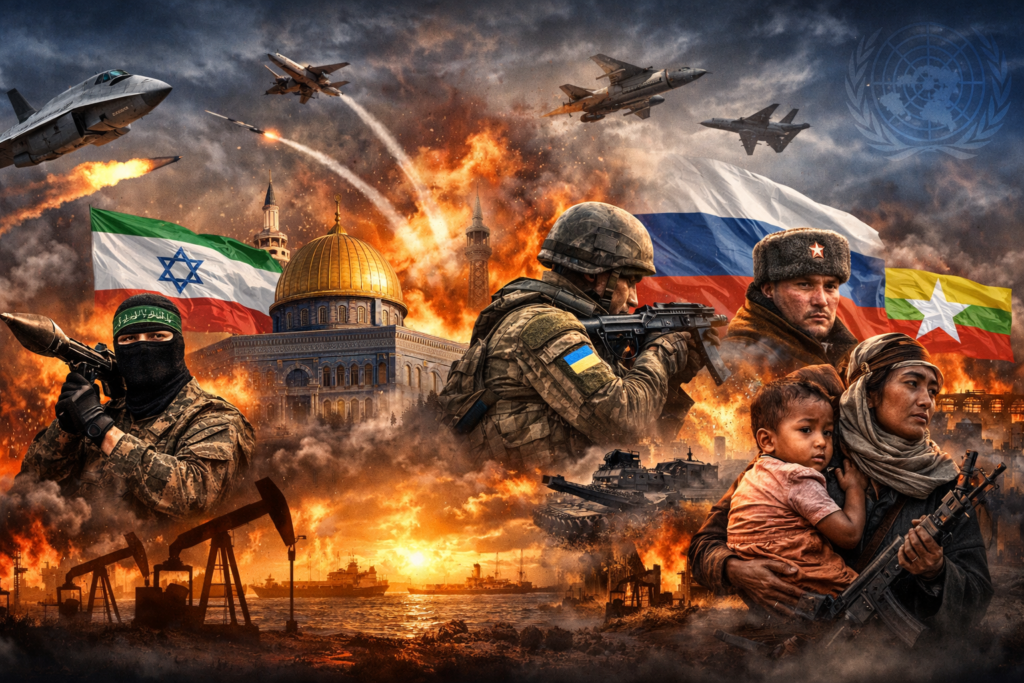
The ongoing crisis is not just political—it has deep economic and humanitarian implications.
Economic Impact
- Global markets are becoming unstable
- Investors are moving towards safer assets
- Trade routes are under threat
The International Monetary Fund has already warned that prolonged conflict could slow global economic growth.
Humanitarian Concerns
- Civilian casualties are rising
- Displacement of people is increasing
- Access to essential resources is becoming difficult
Relief agencies are struggling to provide aid in conflict zones due to safety concerns.
What Lies Ahead?
The “Middle East Crisis Escalates” situation remains highly unpredictable. While there is still hope for diplomatic resolution, the current trajectory suggests prolonged instability.
Possible Outcomes
- Peace talks leading to de-escalation
- Continued tensions with economic consequences
- Full-scale conflict affecting global stability
Conclusion
The escalating crisis in the Middle East is a reminder of how interconnected the modern world is. From oil prices to global markets and humanitarian issues, the effects are being felt worldwide. As nations watch closely, the coming weeks will be crucial in determining whether the situation moves toward peace or further conflict.