
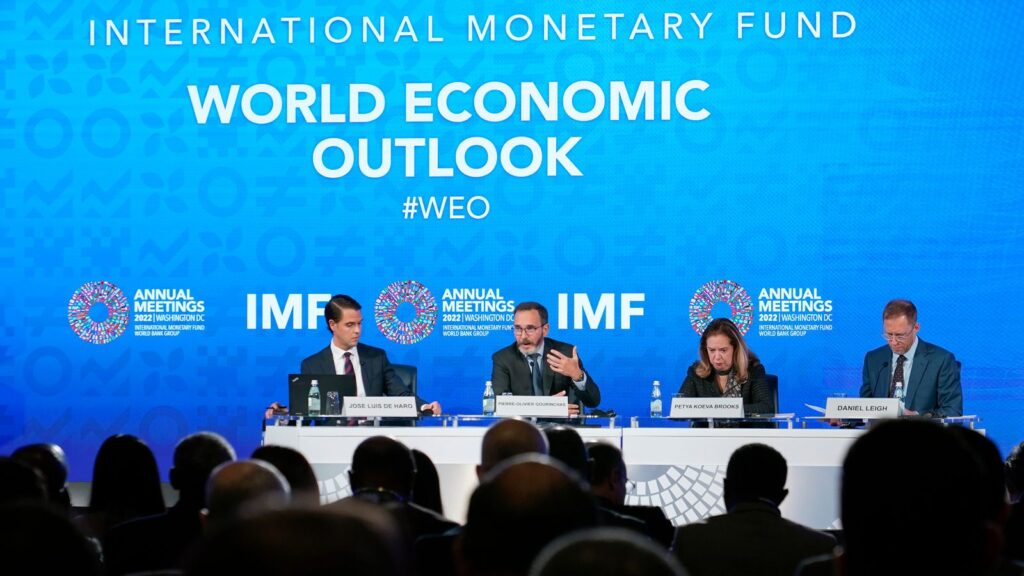
The recent announcement by the International Monetary Fund (IMF) to reduce the global GDP growth forecast to 2.5% has sparked widespread discussion across financial and policy circles. This downgrade is not just a statistical revision but a reflection of deeper structural challenges affecting the global economy. From geopolitical instability to rising energy costs and stubborn inflation, multiple forces are converging to slow down economic progress. This situation has created uncertainty for businesses, investors, and governments, making it essential to understand the broader implications of this forecast.
What the IMF Growth Downgrade Really Means
The IMF’s revised projection signals that the global economy is entering a phase of slower and more fragile growth. A 2.5% growth rate is significantly below the historical average, indicating that economic expansion is losing momentum. This slowdown affects almost every aspect of economic activity, including trade, employment, and investment.
When global growth weakens, businesses tend to become more cautious. Expansion plans are delayed, hiring slows down, and capital investments are reduced. At the same time, consumers also adjust their behavior by cutting down on spending due to uncertainty and rising costs. This creates a cycle where lower demand further slows economic activity, making recovery more challenging.
The Role of Geopolitical Tensions in Economic Slowdown
One of the major contributors to the IMF’s downgrade is the rise in geopolitical conflicts across the world. These tensions disrupt global trade routes, create uncertainty in supply chains, and increase the cost of doing business internationally.
Trade Disruptions and Supply Chain Challenges
Global trade has become increasingly complex due to political instability. Countries involved in conflicts often impose sanctions, restrict exports, or change trade policies, which directly affects the flow of goods and services. Businesses that rely on international supply chains face delays, higher costs, and operational inefficiencies.
Impact on Business Confidence
Geopolitical instability reduces investor confidence. Companies prefer to delay major decisions such as expansion, mergers, or entering new markets. This cautious approach slows down economic activity and contributes to the overall decline in global growth.
Rising Oil Prices and Their Economic Impact
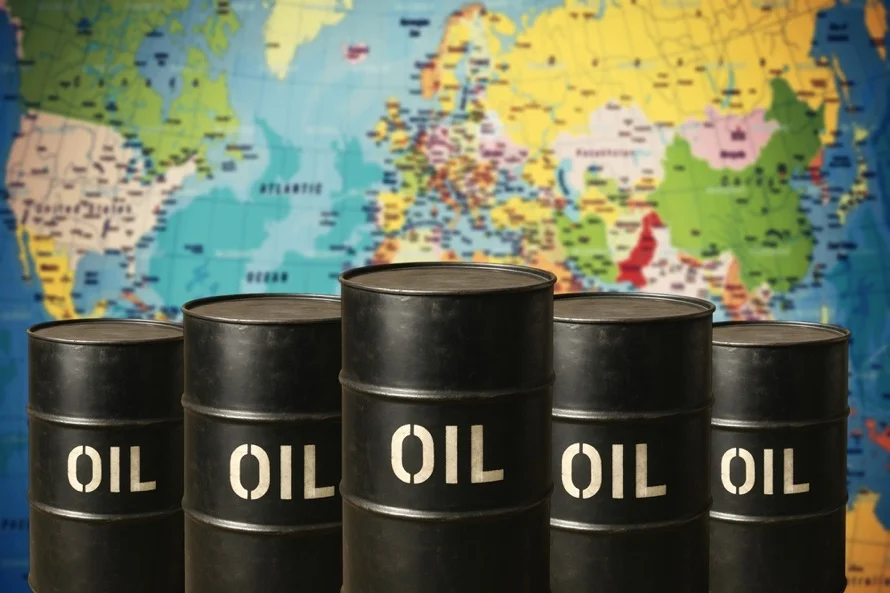
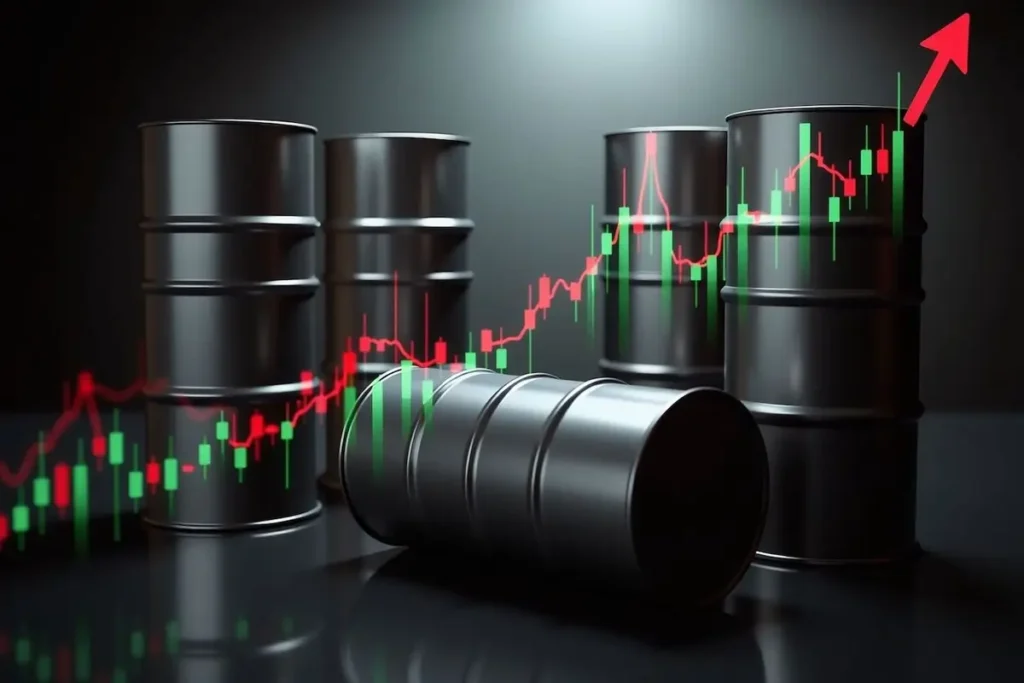
Another critical factor influencing the IMF’s outlook is the sharp increase in oil prices. Energy is a fundamental component of economic activity, and any rise in its cost has widespread consequences.
Increased Cost of Production
Increasing fuel prices significantly raise operating costs across various industries. Businesses that rely on energy-intensive activities—such as transportation, airlines, and industrial production—experience a sharp increase in overall costs. This financial burden forces companies to adjust their pricing strategies, ultimately transferring the added expenses to end consumers through more expensive products and services.
Pressure on National Economies
Countries that import large quantities of oil, including India, face rising import bills and currency pressure. This can lead to trade imbalances and increased fiscal deficits, further weakening economic stability.
Persistent Inflation and Its Global Effects
Inflation remains one of the most pressing challenges highlighted by the IMF. With global inflation expected to stay around 5.4%, economies are struggling to maintain price stability.
Declining Purchasing Power
As prices of essential goods and services rise, consumers find it harder to maintain their standard of living. This reduces discretionary spending, which is a key driver of economic growth. Lower consumer demand directly impacts businesses, leading to reduced revenues and slower expansion.
Central Bank Policies and Their Impact
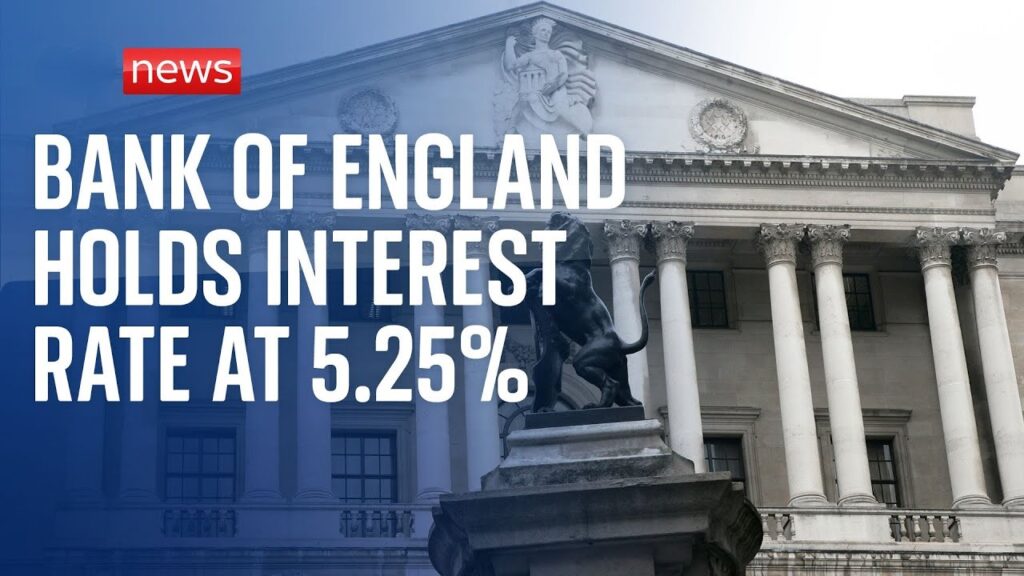
To control inflation, central banks around the world are maintaining high interest rates. While this helps in stabilizing prices, it also makes borrowing more expensive. Businesses face higher financing costs, and consumers are less likely to take loans for big purchases, further slowing economic activity.
Impact on Developed and Emerging Economies

The slowdown is not limited to a specific region; it is affecting economies worldwide, though the impact varies.
Developed Economies Facing Slow Growth
Advanced economies are experiencing reduced growth due to high interest rates and weaker consumer demand. These countries are focusing on controlling inflation, even if it means sacrificing short-term growth.
Emerging Markets Under Greater Pressure
Emerging markets are more vulnerable to global shocks. Currency depreciation, rising import costs, and capital outflows are common challenges. These economies often lack the financial flexibility to respond effectively, making them more susceptible to economic instability.
Sector-Wise Impact of the Economic Slowdown
Different sectors are experiencing the effects of the slowdown in varying degrees.
Manufacturing Sector Struggles
Manufacturing industries are dealing with higher input costs and disrupted supply chains. This has led to reduced production and lower profit margins, impacting overall industrial growth.
Financial Markets and Investor Behavior
Financial markets have become increasingly volatile due to uncertainty. Investors are shifting their focus to safer assets, which reduces liquidity in equity markets and affects business valuations.
Technology Sector Shows Relative Strength
Despite the overall slowdown, the technology sector continues to attract investment. Innovations in artificial intelligence and digital transformation are driving growth, although funding conditions have become more selective.
India’s Position in the Global Scenario
Despite global challenges, India remains relatively resilient. Strong domestic demand and ongoing reforms are supporting economic growth.
Opportunities for Growth
India has the potential to strengthen its position by boosting domestic manufacturing, promoting exports, and attracting foreign investment. Government initiatives aimed at infrastructure development and digitalization are also contributing to economic stability.
Challenges That Cannot Be Ignored
However, rising oil prices, global inflation, and external uncertainties continue to pose risks. Managing these challenges effectively will be crucial for sustaining growth in the coming years.
The Way Forward for Businesses and Policymakers
The IMF’s forecast highlights the need for strategic planning and proactive measures. Businesses must focus on efficiency, cost management, and diversification to remain competitive. At the same time, governments need to implement policies that support economic stability and encourage investment.
Global cooperation will also play a critical role in addressing shared challenges such as inflation, trade disruptions, and geopolitical risks. Collaborative efforts can help create a more stable and predictable economic environment.
In Summary
The IMF’s decision to cut global growth forecasts to 2.5% is a clear indication that the world economy is facing a period of uncertainty and transition. While the challenges are significant, they also present opportunities for innovation and reform.
By adapting to changing conditions and focusing on long-term sustainability, businesses and economies can navigate this slowdown and build a stronger foundation for future growth.