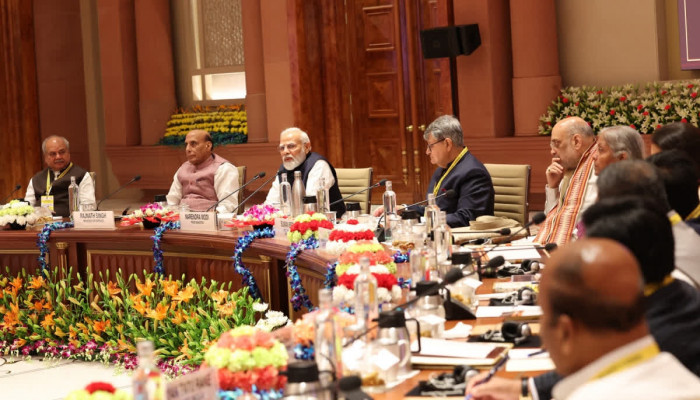

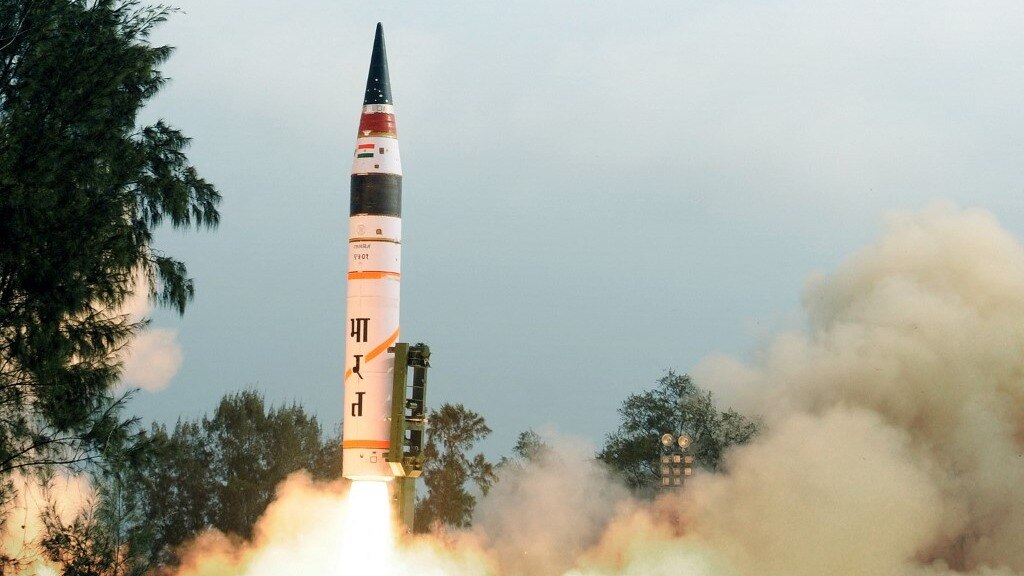
India’s defence sector is once again in the spotlight as the Agni-VI program moves closer to a crucial decision point. The Defence Research and Development Organisation (DRDO) has indicated its readiness to proceed with the next phase of development, but the project is currently awaiting final approval from the central government.
This development has sparked widespread attention across defence circles, strategic experts, and global observers, as the Agni-VI missile is expected to significantly enhance India’s long-range strike capabilities and strengthen its position as a major military power.
What Is the Agni-VI Missile Program?
The Agni-VI is believed to be the next-generation intercontinental ballistic missile (ICBM) in India’s Agni missile series. While official details remain limited due to national security considerations, the project is widely expected to introduce advanced technologies far beyond its predecessors.
Evolution of the Agni Missile Series
India’s missile program has evolved steadily over the years:
- Agni-I and II: Short to medium-range capabilities
- Agni-III and IV: Improved range and payload
- Agni-V: Intercontinental reach with advanced guidance systems
Enter Agni-VI
The Agni-VI is expected to take this evolution further by offering:
- Extended range capabilities (possibly over 10,000 km)
- Multiple warhead delivery systems
- Enhanced accuracy and survivability
This would place India among a select group of nations with highly advanced missile technology.
DRDO’s Readiness and Current Status
The DRDO has reportedly completed preliminary research and is prepared to begin full-scale development. However, the project requires official clearance from the central government before moving forward.
Why Approval Is Important
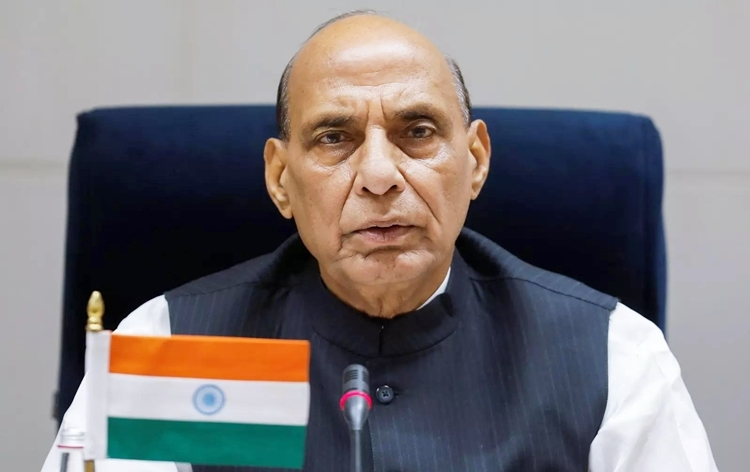
Government approval is essential because:
- It involves significant financial investment
- It has strategic and diplomatic implications
- It requires coordination across defence agencies
Strategic Timing
The timing of this decision is crucial, as global geopolitical tensions and technological advancements are reshaping defence priorities worldwide.
Key Features Expected in Agni-VI
Although much of the project remains classified, defence analysts have outlined several expected features based on current trends and technological capabilities.
Longer Range and Global Reach
The Agni-VI is expected to have a significantly longer range than Agni-V, enabling it to reach targets across continents.
MIRV Technology
One of the most important expected features is:
- Multiple Independently Targetable Reentry Vehicles (MIRVs)
Why MIRV Matters
MIRV technology allows a single missile to:
- Carry multiple warheads
- Hit different targets simultaneously
- Overcome missile defence systems
This would greatly enhance India’s deterrence capability.
Boost to India’s Defence and Strategic Power
The development of the Agni-VI missile is seen as a major boost to India’s defence strength.
Strengthening Nuclear Deterrence
India follows a no first use nuclear policy, but maintaining a strong deterrent is essential for national security. Agni-VI would:
- Enhance second-strike capability
- Ensure credible deterrence
Global Strategic Position
With Agni-VI, India could:
- Join the league of advanced missile powers
- Strengthen its geopolitical influence
- Enhance national security in a rapidly changing world
Global Context and Strategic Importance

The development of advanced missile systems is not unique to India. Several countries are investing heavily in similar technologies.
Rising Global Competition
Countries like:
- United States
- China
- Russia
are continuously upgrading their missile systems.
India’s Position
In this competitive environment, the Agni-VI program would ensure that India remains:
- Technologically competitive
- Strategically secure
- Globally relevant
Challenges and Concerns
While the Agni-VI program offers significant advantages, it also comes with challenges.
Financial Investment
Developing advanced missile systems requires:
- High research and development costs
- Long-term funding commitments
Diplomatic Implications
Such developments can:
- Raise concerns among neighboring countries
- Impact international relations
Technological Complexity
Building a missile with advanced features like MIRV involves:
- Complex engineering
- Rigorous testing
- High precision systems
Public and Expert Reactions
The news of the Agni-VI program awaiting approval has generated mixed reactions.
Support from Defence Experts
Many experts believe that:
- It is a necessary step for national security
- It will strengthen India’s strategic capabilities
Calls for Transparency
Some voices have called for:
- Greater transparency in defence spending
- Balanced focus on development and welfare
What Happens Next?
The next step depends on the central government’s decision.
Possible Scenarios
- Approval leading to full-scale development
- Further evaluation and strategic review
- Delay due to policy or budget considerations
Future Timeline
If approved, the Agni-VI could:
- Enter development phase soon
- Undergo testing in the coming years
- Become operational in the next decade
Why This News Is Trending
The Agni-VI missile program is trending for several reasons:
National Security Importance
- Direct impact on India’s defence strength
- Enhances strategic deterrence
Technological Advancement
- Introduction of next-gen missile technology
- Boost to indigenous defence capabilities
Global Attention
The development has drawn attention from:
- International defence analysts
- Global media
- Strategic communities
A Defining Moment for India’s Defence
The Agni-VI program represents a significant milestone in India’s journey toward becoming a global defence power. With the Defence Research and Development Organisation ready to move forward, the final decision now rests with the government.
Key Takeaways
- DRDO prepared for next phase
- Awaiting central government approval
- Expected to boost India’s strategic strength
Final Analysis
If approved, the Agni-VI missile could redefine India’s defence capabilities and reinforce its position on the global stage. As the world watches closely, this decision could mark the beginning of a new era in India’s military and technological advancement.