
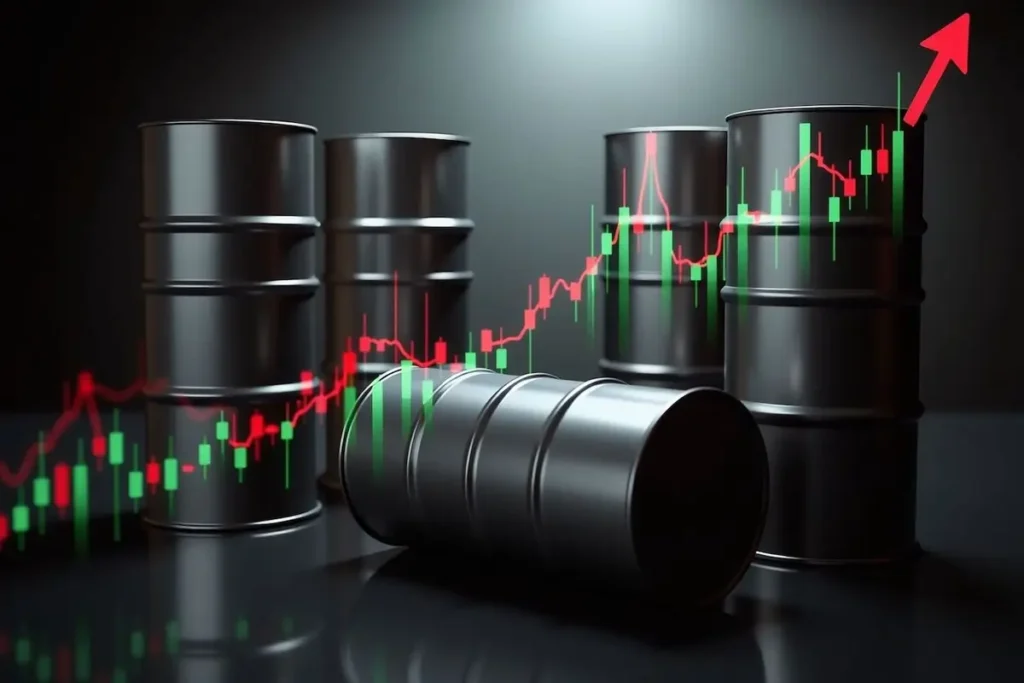
Oil prices play a crucial role in shaping the global and domestic economy. Whenever oil prices rise, it directly impacts inflation, increasing the cost of living for consumers. The connection between oil prices and inflation is strong, as fuel is a basic necessity that affects almost every sector, from transportation to manufacturing.
Why Oil Prices Are Rising
Global Supply Disruptions
One of the main reasons behind rising oil prices is supply disruptions. Geopolitical tensions, production cuts by oil-producing countries, and conflicts in key regions often lead to reduced oil supply.
Impact on Imports
Countries that depend heavily on oil imports, like India, face increased expenses. This leads to higher import bills and puts pressure on the economy.
Increased Demand
As global economies recover and industrial activities grow, the demand for oil increases. Higher demand combined with limited supply pushes prices upward.
Seasonal Demand Rise
During peak travel seasons or extreme weather conditions, oil demand rises further, contributing to price hikes.
How Oil Prices Affect Inflation
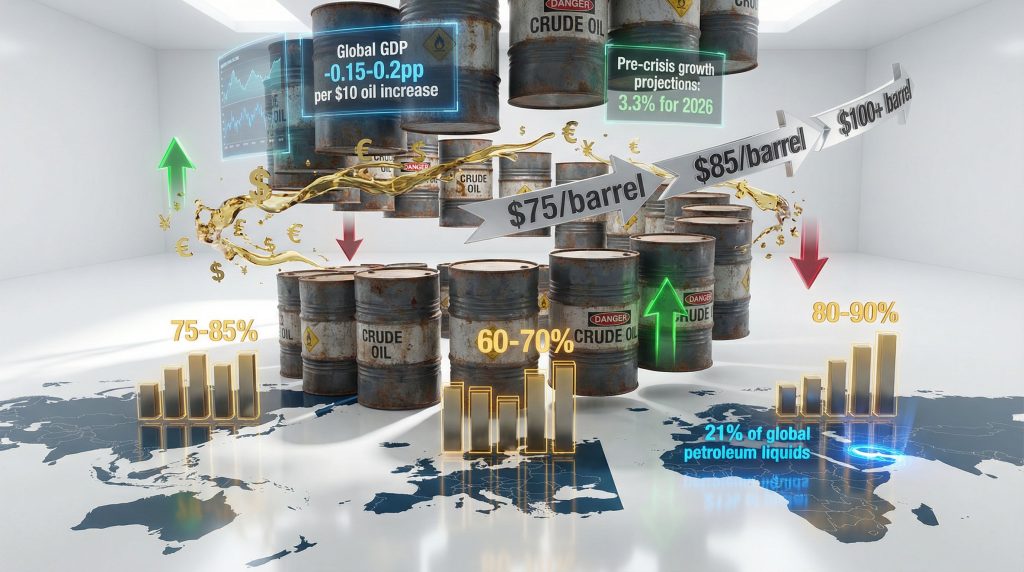
Transportation Costs Increase
When oil prices rise, fuel costs such as petrol and diesel also increase. This raises transportation costs for goods and services.
Impact on Daily Goods
Higher transport costs lead to increased prices of essential items like food, vegetables, and groceries, directly affecting consumers.
Manufacturing Costs Go Up
Industries rely on fuel for production and logistics. Rising oil prices increase operational costs for businesses.
Price Hike in Products
Companies often pass these increased costs to consumers, resulting in higher product prices and overall inflation.
Economic Impact of Rising Oil Prices
Pressure on Household Budget
Higher fuel prices mean increased daily expenses for households. From commuting to cooking gas, everything becomes more expensive.
Reduced Purchasing Power
As expenses rise, people’s purchasing power decreases, affecting overall consumption and economic growth.
Impact on Government Policies
Governments may adjust taxes or provide subsidies to control fuel prices and inflation.
Fiscal Challenges
Reducing taxes can lower government revenue, creating challenges in managing public finances.
How to Manage the Impact
Smart Financial Planning
Consumers should plan their budgets carefully and reduce unnecessary expenses during periods of high inflation.
Alternative Energy Use
Using public transport or switching to energy-efficient options can help reduce fuel expenses.
Diversified Investments
Investors should diversify their portfolios to protect against inflation risks.
Safe Investment Options
Gold, mutual funds, and fixed deposits can help balance risks during inflationary periods.
Conclusion
The relationship between oil prices and inflation is unavoidable and deeply interconnected. Rising oil prices increase transportation and production costs, leading to higher inflation and economic pressure. Both governments and individuals must adapt strategies to manage this impact effectively. Staying informed and making smart financial decisions can help minimize the negative effects of rising fuel costs.