
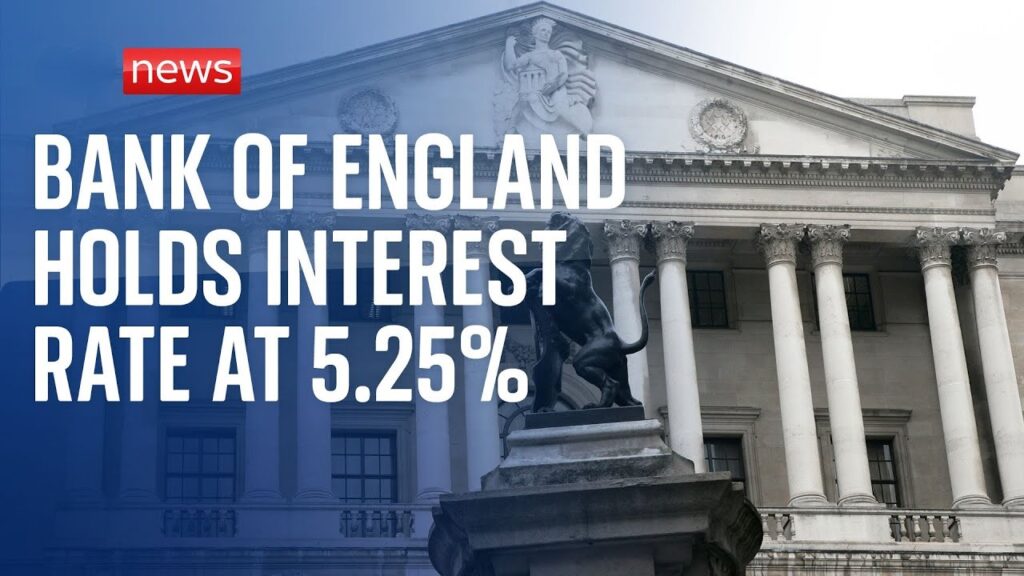
Global financial markets are once again facing uncertainty as interest rate concerns return to the spotlight. The Bank of England has recently signaled that interest rates could rise further, potentially reaching 5.25%. This move comes amid persistent inflation pressures, largely driven by rising energy costs and geopolitical tensions.
For individuals and businesses alike, this is more than just a policy change—it directly impacts loans, EMIs, savings, and overall cost of living. As inflation is expected to climb above 6%, economies worldwide may experience ripple effects that reshape financial stability.
Why Interest Rates Are Rising
Inflation Still a Major Concern
Inflation remains one of the biggest challenges for central banks globally. Despite earlier efforts to control price rises, inflation continues to stay above target levels.
Key reasons include:
- Rising global energy prices
- Supply chain disruptions
- Increased consumer demand
- Currency fluctuations
When inflation rises, central banks increase interest rates to reduce spending and stabilize prices.
Role of Energy Price Shocks
Energy prices are a major driver of inflation. When fuel and electricity costs increase, it affects:
- Transportation
- Manufacturing
- Food prices
This creates a chain reaction across the economy, forcing policymakers to act aggressively.
What a 5.25% Interest Rate Means
Impact on Loans and EMIs
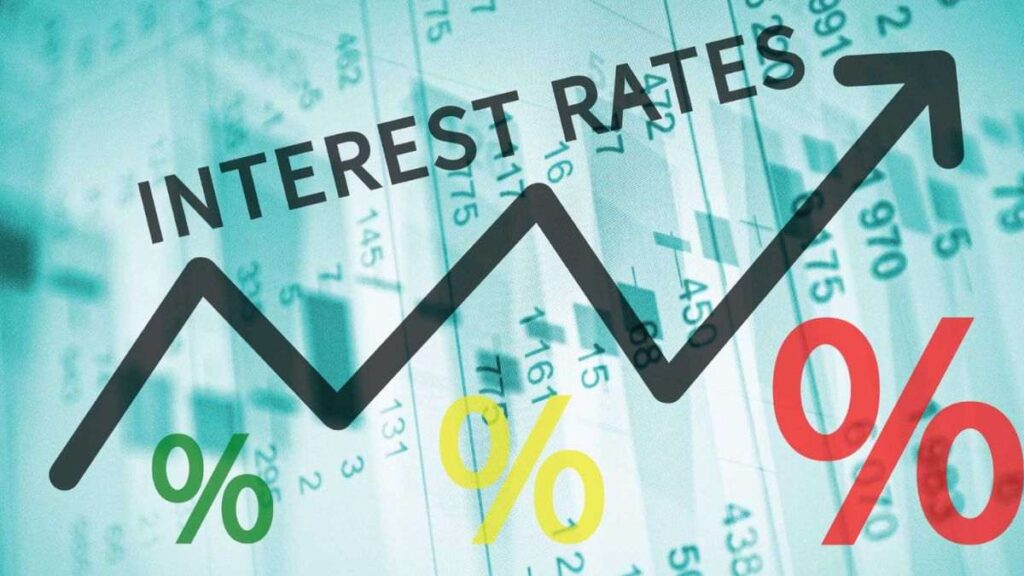
Higher interest rates directly affect borrowers. If rates rise to 5.25%:
- Home loan EMIs will increase
- Personal loans become more expensive
- Credit card interest rates may rise
For example, a small increase in interest rates can significantly raise monthly payments over time.
Effect on Businesses
Businesses also feel the pressure as borrowing costs increase. This can lead to:
- Reduced investments
- Slower expansion plans
- Job cuts in extreme cases
Small and medium enterprises are especially vulnerable to rising interest costs.
Global Impact of Rising Interest Rates
Ripple Effect Across Economies
When a major central bank like the Bank of England raises rates, it often influences global markets. Countries interconnected through trade and finance feel the effects.
This can result in:
- Currency volatility
- Capital outflows from emerging markets
- Stock market fluctuations
Impact on Developing Countries
Developing nations may face additional challenges such as:
- Higher borrowing costs for governments
- Pressure on foreign exchange reserves
- Increased debt burden
This makes economic recovery more difficult for these countries.
How It Affects Everyday Life
Rising Cost of Living
One of the most immediate effects is on daily expenses. As inflation rises:
- Grocery bills increase
- Fuel costs go up
- Utility bills become expensive
This reduces the purchasing power of consumers.
Savings and Investments
While borrowers suffer, savers may benefit from higher interest rates:
- Better returns on fixed deposits
- Higher savings account interest
- Improved bond yields
However, inflation can still reduce the real value of these returns.
Stock Market and Investment Trends
Market Volatility
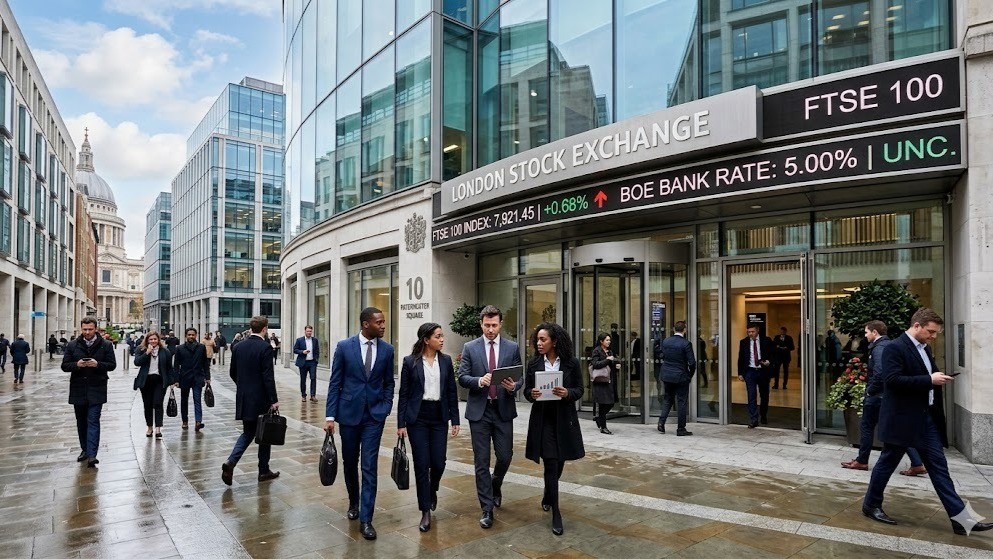
Rising interest rates often lead to uncertainty in stock markets. Investors may shift their strategies due to:
- Higher borrowing costs for companies
- Reduced corporate profits
- Changing valuation models
Shift Toward Safer Assets
Investors may move their money into safer options such as:
- Government bonds
- Fixed-income securities
- Gold and commodities
This shift reflects a risk-averse environment.
The Link Between Interest Rates and Inflation
How Rate Hikes Control Inflation
Monetary authorities control inflation through rate changes. Higher rates:
- Reduce consumer spending
- Slow down borrowing
- Decrease demand
This helps bring inflation under control over time.
The Risk of Over-Tightening
However, raising rates too much can have negative effects:
- Economic slowdown
- Reduced business activity
- Potential recession
Finding the right balance is crucial for policymakers.
What Experts Are Saying
Mixed Outlook
Economists are divided on the future of interest rates. Some believe:
- Further hikes are necessary to control inflation
Others warn that:
- Aggressive rate increases could harm economic growth
Long-Term Perspective
In the long run, stable interest rates are essential for sustainable growth. Governments and central banks must carefully manage:
- Inflation
- Employment
- Economic expansion
What Should Individuals Do?
Financial Planning Tips
In a rising interest rate environment, individuals should:
- Reduce unnecessary debt
- Focus on savings
- Plan budgets carefully
Smart Investment Strategies
Consider diversifying investments:
- Fixed deposits for stability
- Mutual funds for growth
- Gold as a hedge against inflation
Being proactive can help minimize financial stress.
Final Thoughts
The possibility of interest rates rising to 5.25% highlights the ongoing struggle to control inflation in a volatile global environment. With energy prices pushing inflation above 6%, the impact is being felt across households, businesses, and economies worldwide.
Higher EMIs, expensive loans, and increased cost of living are immediate challenges. At the same time, opportunities for savers and investors also emerge. The key lies in understanding the changing financial landscape and adapting accordingly.
As global economies navigate this uncertain phase, one thing is clear: interest rates will continue to play a critical role in shaping the future of finance and everyday life.