

A New Era of Data-Driven Mobility
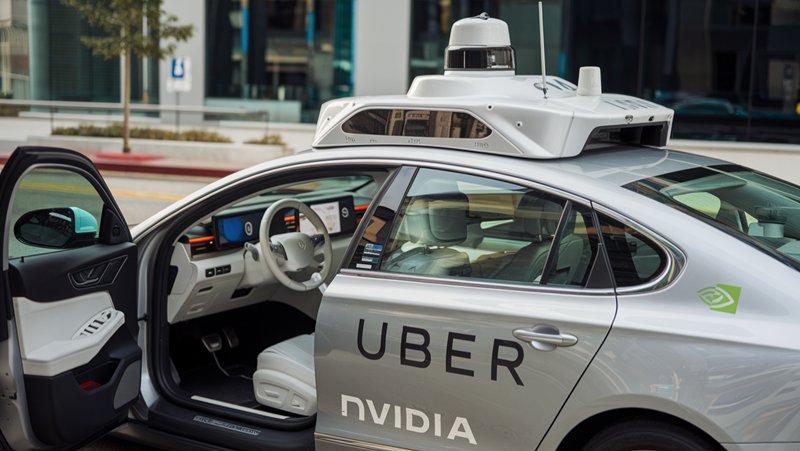
The global transportation industry is undergoing a massive transformation, and at the center of this change is Uber. Known for revolutionizing ride-hailing services, Uber is now taking a bold step toward the future by turning everyday cars into AI-powered data machines.
Instead of relying solely on controlled testing environments, Uber is leveraging its vast network of drivers to collect real-world road data. This strategy could significantly accelerate the development of self-driving technology, making autonomous vehicles safer, smarter, and more efficient.
What Does AI Data Machines Mean?
Turning Vehicles into Data Collectors
Uber’s new approach focuses on using its fleet of vehicles as mobile data collection units. Every ride taken contributes valuable information such as:
- Road conditions
- Traffic patterns
- Pedestrian behavior
- Weather impact on driving
This data is crucial for training AI systems that power autonomous vehicles.
Why Real-World Data Matters
Self-driving systems cannot rely only on simulations. Real-world environments are unpredictable, and AI must learn to handle:
- Sudden obstacles
- Complex traffic scenarios
- Human driving behavior
By gathering real-time data from millions of rides, Uber can create more precise and dependable AI systems.
How Uber Integrates AI Technology

AI in Autonomous Driving Development
Uber is actively working on technologies that support self-driving cars. The data collected from drivers is used to:
- Train machine learning algorithms
- Improve object detection systems
- Enhance navigation accuracy
Companies like Tesla and Waymo are also using similar data-driven approaches, highlighting how competitive this space has become.
AI Writing Code and Optimizing Systems
Beyond driving, Uber is also integrating AI into its internal operations. Reports suggest that AI is already:
- Assisting in writing code
- Automating system updates
- Optimizing route algorithms
This shows that AI is not just a tool for products—it’s becoming a core part of business operations.
The Role of Data in Training Autonomous Vehicles
Data as the New Fuel
In the AI era, data is often compared to fuel—and for good reason. Without data, AI systems cannot learn or improve.
Uber’s strategy highlights that:
- More data = better AI performance
- Diverse data = safer decision-making
- Continuous data = constant improvement
Types of Data Collected
Uber’s vehicles can gather various types of information:
- Visual data from cameras
- GPS and location tracking
- Speed and braking patterns
- Environmental conditions
This multi-layered data helps create a complete picture of real-world driving.
Benefits of Uber’s Data-Driven Approach

Faster Development of Self-Driving Technology
Traditional autonomous vehicle testing is slow and expensive. Uber’s model speeds up the process by:
- Using existing driver networks
- Collecting data at scale
- Reducing testing costs
Improved Safety and Accuracy
With more real-world data, AI systems can:
- Predict potential hazards
- Respond faster to changes
- Reduce human error
This could lead to safer roads and fewer accidents in the future.
Challenges and Concerns
Privacy and Data Security
One of the biggest concerns is how data is collected and used. Users may worry about:
- Location tracking
- Personal data privacy
- Data misuse
Uber must ensure strong data protection policies to maintain trust.
Ethical and Regulatory Issues
Governments around the world are still developing rules for autonomous vehicles. Challenges include:
- Legal responsibility in accidents
- Data ownership
- Compliance with local laws
These factors could slow down the adoption of self-driving technology.
Competition in the Autonomous Driving Race
Tech Giants and Automakers
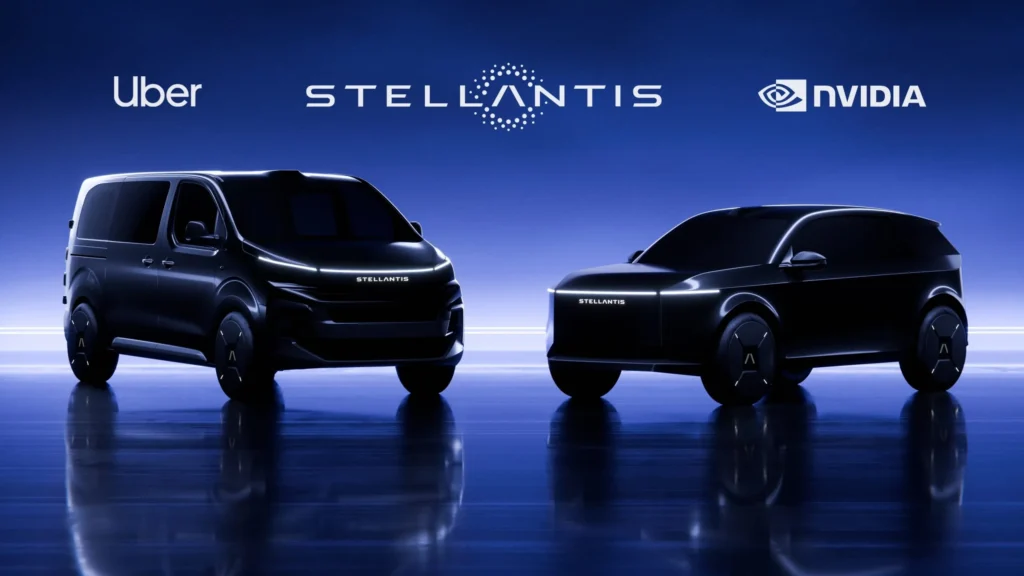
Uber is not alone in this race. Major players include:
- Tesla with its Full Self-Driving system
- Waymo, a leader in robotaxi services
- Apple rumored to be working on self-driving tech
Each company is using different strategies, but data remains the common foundation.
Who Has the Advantage?
Uber’s biggest strength is its massive global driver network, which provides:
- Continuous data flow
- Diverse driving conditions
- Real-time updates
This could give Uber a competitive edge in scaling AI systems quickly.
Impact on Drivers and the Gig Economy
Changing Role of Drivers
As AI becomes more integrated, the role of drivers may evolve. Instead of just transporting passengers, they become:
- Data contributors
- System testers
- Part of AI development
Future Job Concerns
While this innovation creates opportunities, it also raises concerns about:
- Job displacement due to automation
- Reduced demand for human drivers
- Need for new skill development
Balancing innovation with employment will be a key challenge.
The Future of AI-Powered Transportation
Towards Fully Autonomous Mobility
Uber’s initiative is a step toward a future where:
- Cars drive themselves
- Traffic is optimized by AI
- Accidents are minimized
This could transform urban mobility and reduce congestion.
Integration with Smart Cities
AI-driven transportation will likely integrate with:
- Smart traffic systems
- Connected infrastructure
- Real-time data networks
This will create a fully connected and intelligent transportation ecosystem.
Final Thoughts
Uber’s move to turn cars into AI data machines represents a major shift in how technology and transportation intersect. By leveraging real-world data at scale, the company is accelerating the development of autonomous driving systems and redefining the role of data in innovation.
While challenges around privacy, regulation, and employment remain, the potential benefits are enormous. Safer roads, smarter vehicles, and more efficient transportation systems are all within reach.
In this rapidly evolving landscape, one thing is clear: data is the new fuel powering the future of AI—and companies like Uber are leading the way.