

The world of digital marketing is going through one of its biggest transformations ever. Traditional Search Engine Optimization (SEO), which focused on ranking websites on Google through keywords and backlinks, is now rapidly evolving into a new era called AI Search Optimization. With the rise of artificial intelligence tools and AI-powered search engines, the way people find information online is completely changing.
Instead of clicking multiple links on search results pages, users are now getting direct answers from AI systems. This shift is forcing businesses, bloggers, and marketers to rethink how they create and optimize content.
What is AI Search and Why It Matters
A New Way of Searching Information
AI search refers to search systems powered by artificial intelligence that provide direct, conversational answers instead of just listing websites. Tools like Google’s AI Overviews, ChatGPT-style search interfaces, and other generative engines are becoming the new norm.
Instead of typing a query and browsing multiple pages, users now receive:
- Direct answers
- Summarized information
- Context-aware suggestions
This is making search faster, smarter, and more personalized.
The Decline of Traditional SEO
From Blue Links to AI Answers
Traditional SEO focused on ranking websites on the first page of search engines. However, AI search is reducing the importance of clicking links.
Now:
- Users get answers directly on the search page
- Websites receive fewer clicks
- Featured AI responses dominate visibility
This phenomenon is known as zero-click search.
Impact on Website Traffic
Many websites are experiencing:
- Reduced organic traffic
- Lower click-through rates
- Dependence on brand authority rather than keywords
Even high-ranking pages are seeing fewer visitors because AI is summarizing content directly.
Rise of Generative Engine Optimization (GEO)
What is GEO?
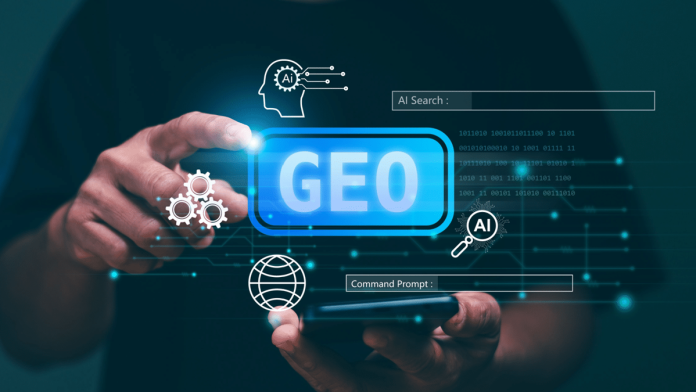
Generative Engine Optimization (GEO) is the new form of SEO designed for AI-driven search engines. Instead of optimizing only for keywords, GEO focuses on making content understandable and usable by AI systems.
Key Elements of GEO
- Clear and structured content
- Factual accuracy
- Context-rich explanations
- Authority and trust signals
AI models prefer content that is well-structured and informative, not just keyword-heavy.
Why AI Search is Becoming Dominant
1. User Convenience
People want faster answers without scrolling through multiple websites. AI provides instant responses, making it highly efficient.
2. Mobile and Voice Search Growth
With increasing use of voice assistants and mobile devices, users prefer conversational search formats.
3. Better Personalization
AI understands user intent better than traditional search engines. It can adjust answers based on context, history, and behavior.
How Google is Changing with AI
Introduction of AI Overviews
Google has integrated AI-generated summaries directly into search results. These summaries provide quick answers above traditional links.
Reduced Click Dependency
Earlier, websites depended heavily on Google clicks. Now, AI summaries often answer queries directly, reducing the need to visit external pages.
Focus on High-Quality Content
Google is now prioritizing:
- Expert content
- Original insights
- Real-world experience
- Trusted sources
Low-quality or repetitive content is losing visibility.
What This Means for Digital Marketers

Shift from Keywords to Intent
Instead of focusing only on keywords, marketers must now understand user intent. Content should answer real questions clearly and deeply.
Importance of Brand Authority
In AI search, trusted brands are more likely to be cited. Building authority through consistent, high-quality content is now essential.
Content Must Be AI-Friendly
To rank in AI search systems, content should:
- Be well-structured with headings
- Provide clear answers
- Include factual accuracy
- Avoid fluff or keyword stuffing
Strategies to Adapt to AI Search
1. Focus on Answer-Based Content
Create content that directly answers user questions in simple language.
2. Build Topical Authority
Instead of writing random articles, focus on one niche and cover it deeply.
3. Improve Content Quality
AI systems prefer content that shows expertise, clarity, and originality.
4. Use Structured Formatting
Headings, bullet points, and clear sections help AI understand your content better.
Future of SEO in AI Era
SEO is not dying—it is evolving. The future will not be about ranking on page one, but about being included in AI-generated answers.
We are moving toward a world where:
- AI decides what content is shown
- Search becomes conversational
- Websites compete for AI citations instead of clicks
This shift will reward quality, trust, and relevance over outdated optimization tricks.
The Road Ahead
The transition from traditional SEO to AI search is one of the biggest digital revolutions of this decade. Businesses that adapt early will gain a strong advantage, while those sticking to old methods may struggle to maintain visibility.