
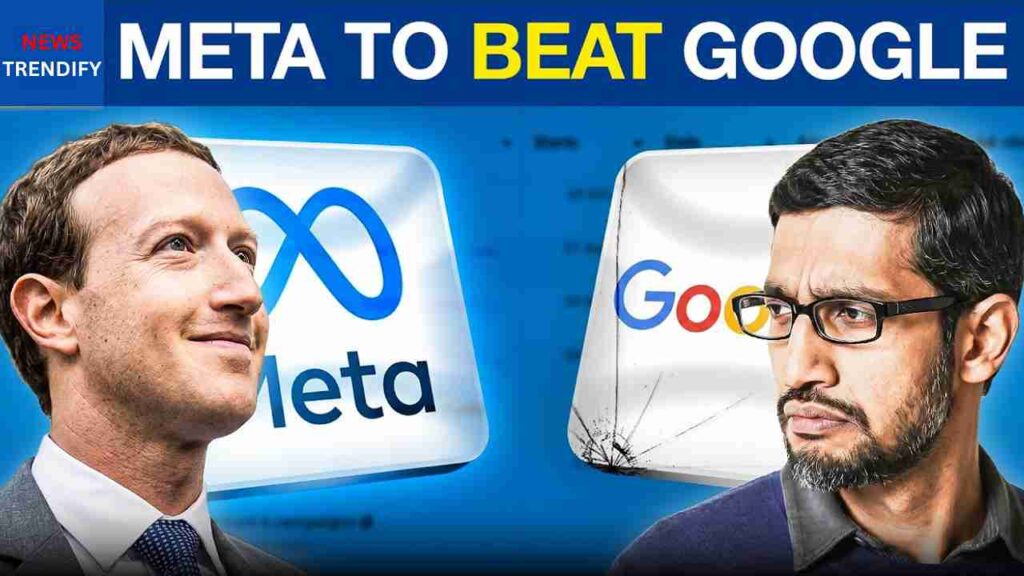
The digital advertising landscape is undergoing a major transformation in 2026, with the competition between Meta Platforms and Google reaching new heights. For years, Google dominated the online advertising industry, but Meta is now closing the gap rapidly. This shift signals a new era in digital marketing, where social media platforms are becoming just as powerful as search engines for advertisers.
The Rise of Meta in Advertising
Social Media Dominance
Meta’s platforms, including Facebook, Instagram, and WhatsApp, have a massive global user base. This gives advertisers direct access to billions of active users. In 2026, Meta’s strength lies in its ability to keep users engaged through short-form videos, reels, and interactive content.
AI-Powered Ad Targeting
Meta has heavily invested in artificial intelligence to improve ad targeting. Its AI-driven tools help businesses reach the right audience with personalized ads, increasing conversion rates and return on investment (ROI).
Google’s Stronghold in Search Ads
Search Engine Leadership
Google continues to dominate the search advertising market. Businesses rely on Google Ads to capture high-intent users who are actively searching for products or services. This gives Google a strong advantage in performance marketing.
YouTube and Display Network
Google’s ecosystem extends beyond search. Platforms like YouTube and the Google Display Network allow advertisers to run video and banner ads across millions of websites, maintaining its global reach
Key Differences Between Meta and Google
Push vs Pull Marketing
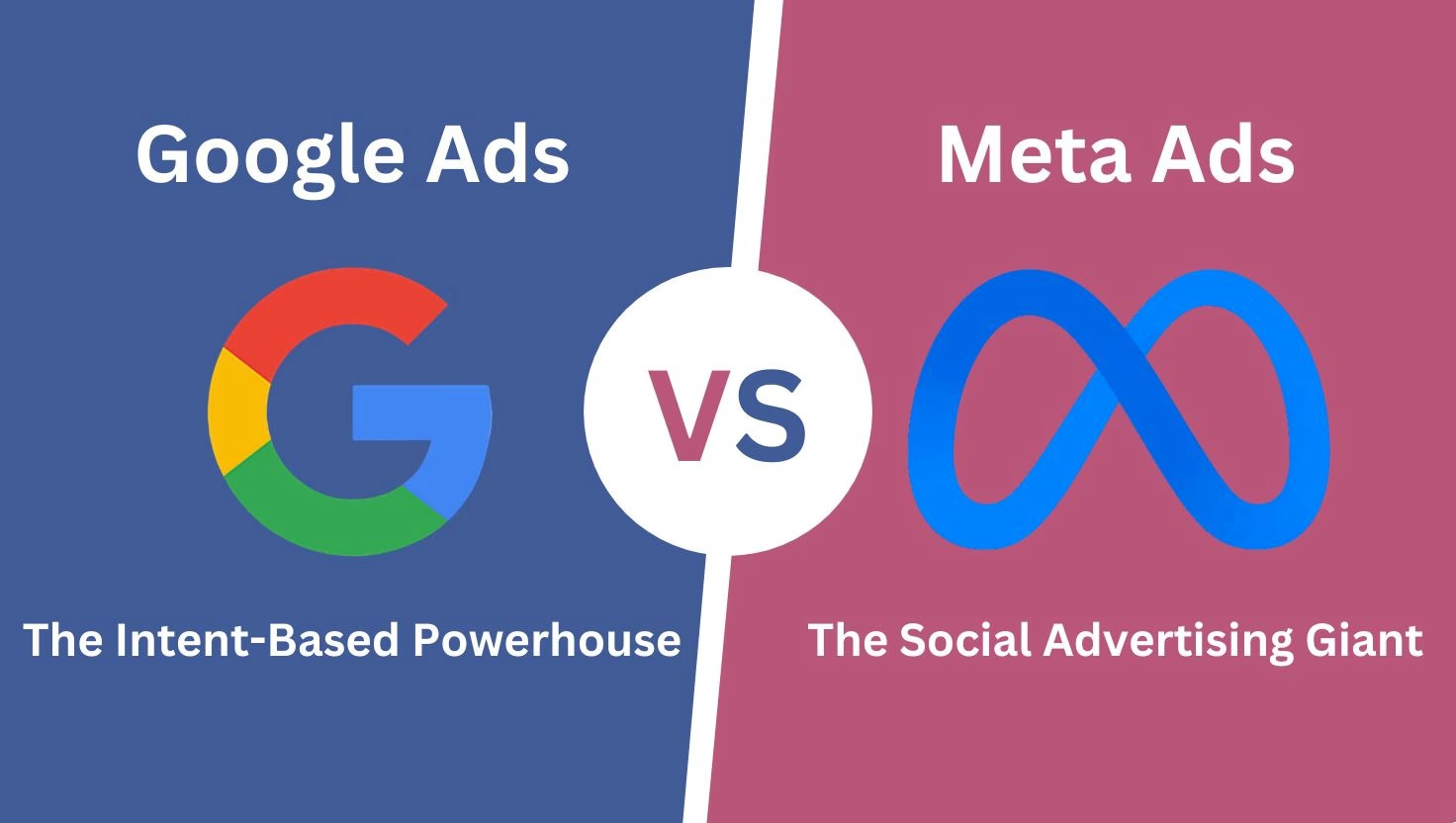
Meta focuses on “push marketing,” where ads are shown to users based on their interests and behavior. On the other hand, Google uses “pull marketing,” targeting users who are already searching for something specific.
Engagement vs Intent
- Meta: High engagement, discovery-based ads
- Google: High intent, search-driven ads
Ad Formats and Creativity
Meta excels in visually engaging content such as reels, stories, and carousel ads. Google, however, focuses more on text-based ads and search results, although video ads on YouTube are growing rapidly.
Why 2026 Is a Turning Point
Shift Toward Social Commerce
Consumers are increasingly shopping directly through social media platforms. Meta is leveraging this trend by integrating shopping features within its apps, making it easier for users to discover and purchase products.
Privacy and Data Changes
With stricter data privacy regulations, both companies are adapting their strategies. Meta is focusing on first-party data and AI, while Google is working on privacy-safe advertising solutions.
Impact on Digital Marketers
Changing Advertising Strategies
Marketers in 2026 need to diversify their strategies by using both Meta and Google platforms. Relying on just one platform may limit growth opportunities.
Best Approach
- Use Meta for brand awareness and engagement
- Use Google for conversions and lead generation
Conclusion
The Meta vs Google ad revenue battle in 2026 reflects a major shift in the digital marketing world. While Google remains strong in search advertising, Meta is rapidly gaining ground through social media engagement and AI-driven targeting. For businesses and marketers, the key to success lies in understanding the strengths of both platforms and using them strategically.