
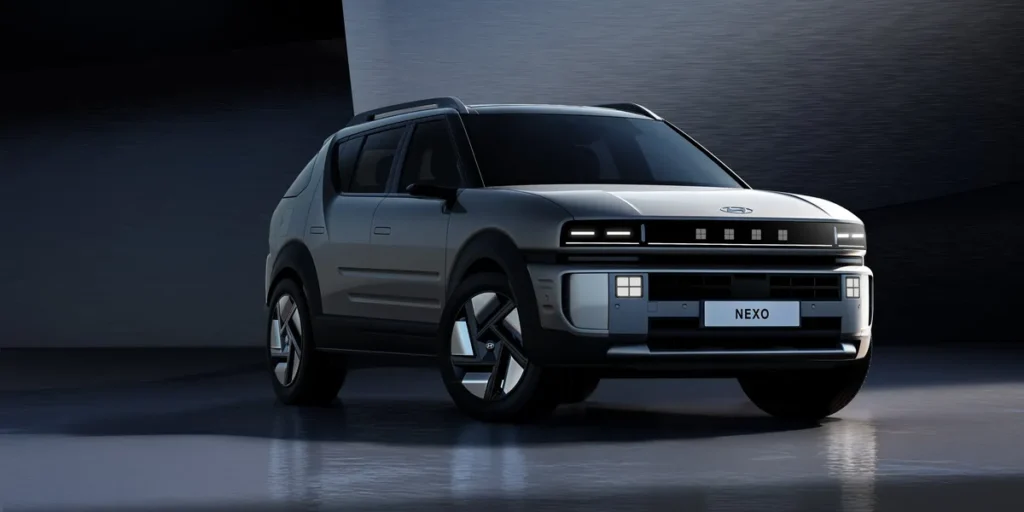
The global automobile industry is changing faster than ever before. Electric vehicles have already transformed the market, but now another futuristic technology is gaining worldwide attention — hydrogen-powered vehicles. Leading this new revolution is Hyundai Motor Company with its latest second-generation NEXO hydrogen SUV.
With a projected driving range of more than 800 kilometers, ultra-fast refueling technology, and zero harmful emissions, Hyundai’s hydrogen vehicles are becoming one of the hottest trends in the global automotive world. Experts believe hydrogen mobility could become a strong alternative to traditional electric vehicles, especially for long-distance travel and commercial transportation.
From Asia to Europe and North America, governments and automakers are investing billions into hydrogen fuel technology. Social media platforms and automobile communities are also discussing whether hydrogen cars could become the next major breakthrough after battery-powered EVs.
What Makes Hyundai’s Hydrogen Cars Different?
Hydrogen-powered vehicles work differently from traditional electric vehicles. Instead of charging large batteries for several hours, hydrogen cars use fuel cells that convert hydrogen gas into electricity. The process produces electricity instantly and releases only water vapor from the exhaust.
This technology offers several major advantages:
- Faster refueling times
- Longer driving range
- Lower charging dependency
- Reduced environmental pollution
- Better suitability for heavy vehicles
Hyundai’s second-generation NEXO hydrogen SUV has become a major talking point because it combines futuristic design with advanced fuel-cell technology. Industry experts say the vehicle demonstrates how hydrogen mobility can compete directly with modern EVs.
Hyundai NEXO Hydrogen SUV Creates Global Buzz
Over 800 KM Driving Range
One of the biggest highlights of the upcoming NEXO is its projected driving range of more than 800 kilometers on a single hydrogen refill. This is significantly higher than many standard electric vehicles currently available in the market.
For long-distance travelers, commercial fleet operators, and highway drivers, range anxiety remains a major concern with battery EVs. Hyundai’s hydrogen technology aims to solve that issue completely.
The ability to travel extremely long distances without frequent charging stops is one reason why hydrogen vehicles are becoming increasingly popular in discussions about the future of transportation.
Ultra-Fast Refueling Technology
Unlike electric vehicles that can take anywhere from 30 minutes to several hours to recharge, hydrogen vehicles can be refueled within minutes.
Why Fast Refueling Matters
Fast refueling is important for:
- Taxi services
- Delivery companies
- Commercial transportation
- Emergency services
- Long highway travel
Drivers simply refill hydrogen fuel similarly to conventional petrol or diesel vehicles. This convenience is attracting global attention toward hydrogen mobility solutions.
Hydrogen Cars Vs Electric Vehicles
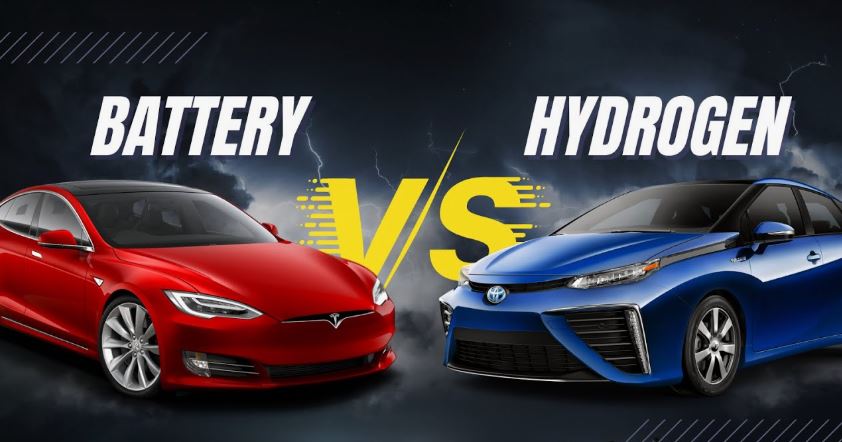
The debate between hydrogen cars and battery electric vehicles is becoming one of the hottest topics in the automobile industry.
Advantages Of Hydrogen Vehicles
Hydrogen cars offer several benefits:
Longer Range
Hydrogen-powered vehicles can travel farther without stopping for charging.
Quick Refueling
Refueling takes only a few minutes compared to long EV charging sessions.
Better For Heavy Vehicles
Hydrogen technology is considered more suitable for trucks, buses, ships, and heavy-duty transport systems.
Environmentally Friendly
Hydrogen fuel-cell vehicles emit only water vapor, making them extremely eco-friendly.
Challenges Facing Hydrogen Cars
Despite their advantages, hydrogen vehicles still face some obstacles.
Limited Hydrogen Stations
Hydrogen refueling infrastructure is still developing in many countries.
High Production Costs
Hydrogen technology remains expensive compared to traditional EV manufacturing
Public Awareness
Many consumers still do not fully understand how hydrogen vehicles work.
However, companies like Hyundai are investing heavily to overcome these challenges and expand hydrogen adoption globally.
Hyundai’s Big Vision For Hydrogen Mobility
Hyundai is not focusing only on passenger vehicles. The company is planning to use hydrogen technology across multiple transportation sectors.
Hydrogen Trucks And Commercial Vehicles
Commercial transportation companies are exploring hydrogen trucks because they can travel long distances without long charging breaks.
Logistics Industry Interest
Hydrogen trucks could help:
- Reduce delivery delays
- Improve transport efficiency
- Lower carbon emissions
- Reduce dependence on diesel fuel
Many logistics companies around the world are already testing hydrogen-powered fleets.
Public Transport Revolution
Governments are also introducing hydrogen-powered buses in major cities to reduce air pollution and improve sustainability.
Countries like South Korea, Japan, Germany, and China are rapidly expanding hydrogen transportation projects.
Why Social Media Is Obsessed With Hydrogen Cars
Hydrogen vehicles are becoming highly viral online because people see them as futuristic technology.
Videos showing:
- Water vapor exhaust
- Silent driving
- Futuristic dashboard systems
- Fast hydrogen refueling
- AI-powered smart features
They are receiving millions of views across social media platforms.
Automobile enthusiasts are especially excited because hydrogen technology feels like something from a science-fiction movie becoming reality.
Global Governments Supporting Hydrogen Technology
Hydrogen mobility is not just an automotive trend — it is becoming part of long-term energy and environmental strategies.
Massive Investments Worldwide
Governments worldwide are investing billions into:
- Hydrogen fuel stations
- Clean energy projects
- Hydrogen production plants
- Fuel-cell research
Europe’s Hydrogen Expansion
European countries are aggressively supporting hydrogen infrastructure to reduce fossil fuel dependency.
Asia Leading Innovation
South Korea and Japan remain among the biggest supporters of hydrogen transportation technology.
Hyundai’s latest innovations are helping position South Korea as a global leader in clean mobility solutions.
Can Hydrogen Cars Replace Electric Vehicles?
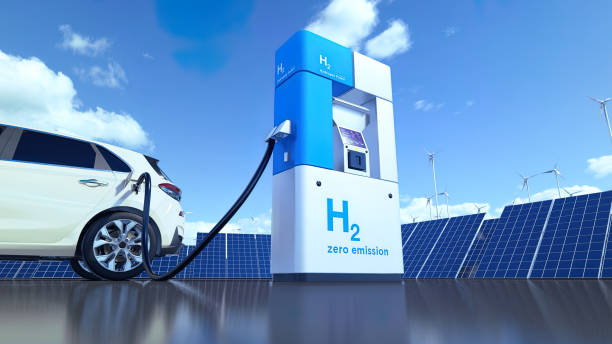
Industry experts believe hydrogen cars may not completely replace electric vehicles, but both technologies could exist together in the future.
Battery EVs may continue dominating:
- Urban transportation
- Daily commuting
- Small passenger cars
Meanwhile, hydrogen vehicles could become more common for:
- Long-distance travel
- Commercial transportation
- Heavy-duty vehicles
- Public transportation systems
This combination could help countries reduce global carbon emissions faster than relying on one technology alone.
Future Of Hyundai Hydrogen Vehicles
Hyundai’s hydrogen strategy is gaining worldwide attention because it represents a long-term vision rather than a short-term experiment.
The company plans to continue:
- Expanding fuel-cell technology
- Improving hydrogen efficiency
- Increasing vehicle range
- Lowering production costs
- Developing new hydrogen infrastructure partnerships
As climate concerns continue growing globally, hydrogen mobility could become one of the most important transportation technologies of the next decade.
Final Thoughts
Hyundai’s second-generation NEXO hydrogen SUV is proving that hydrogen-powered transportation is no longer just a futuristic concept. With over 800 kilometers of projected range, ultra-fast refueling, and zero harmful emissions, hydrogen cars are becoming one of the most talked-about trends in the automobile industry.
While electric vehicles currently dominate the clean mobility market, hydrogen technology is emerging as a powerful alternative for long-distance and commercial transportation. Governments, automakers, and consumers worldwide are now paying closer attention to hydrogen mobility than ever before.
As Hyundai continues investing in fuel-cell innovation, the company could play a major role in shaping the future of sustainable transportation globally.