
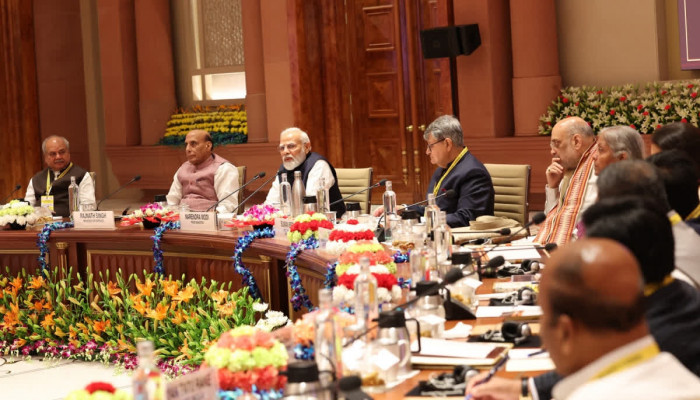
India’s policy ecosystem witnessed a major development as the Government of India announced the reconstitution of NITI Aayog, the country’s top think tank responsible for long-term strategic planning and policy formulation. This reshuffle includes the appointment of a new Vice Chairman along with several full-time members, signaling a renewed focus on economic reforms, governance efficiency, and innovation-driven growth.
The move is being seen as an important step toward strengthening India’s administrative and economic decision-making structure at a time when the country is navigating global uncertainty and rapid technological transformation.
What is NITI Aayog and Why It Matters
India’s Policy Backbone
NITI Aayog is the premier policy institution of India, established in 2015 to replace the Planning Commission. It plays a central role in shaping the country’s development strategy.
Key Functions of NITI Aayog
- Designing national development policies
- Supporting state governments with reforms
- Promoting innovation in governance
- Coordinating economic strategies across sectors
- Advising the government on long-term planning
Why It Is Important
Unlike traditional planning bodies, NITI Aayog focuses on a bottom-up approach, encouraging states and experts to contribute to national policy-making.
New Leadership in NITI Aayog
Appointment of New Vice Chairman
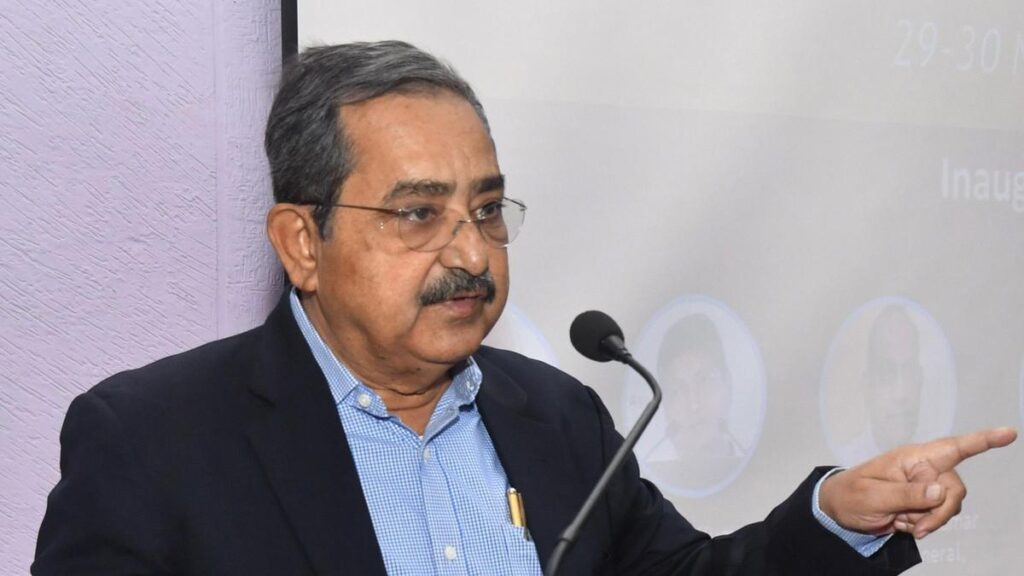
The government has appointed a new Vice Chairman to lead the institution. The role is crucial as it sets the direction for India’s economic and policy framework.
The new leadership is expected to bring:
- Strong economic expertise
- Data-driven decision-making
- Focus on sustainable development
Strategic Importance of the Role
The Vice Chairman acts as the operational head of NITI Aayog, coordinating between ministries, state governments, and advisory panels to ensure policy execution.
Expected Impact
This leadership change is expected to improve:
- Policy efficiency
- Inter-ministerial coordination
- Implementation of reform programs
New Members Added – A Diverse Expert Team
Strengthening Institutional Expertise
Along with the Vice Chairman, the government has appointed multiple full-time members from diverse fields such as economics, science, healthcare, and administration.
Areas of Expertise Included
The newly inducted members bring experience in:
- Economic policy and fiscal management
- Scientific research and innovation
- Healthcare administration
- Governance and public service delivery
- Technology and digital transformation
Why Diversity Matters
This multidisciplinary structure ensures that policy decisions are not limited to one domain but reflect a holistic national development approach.
Why This Reconstitution is a Big Deal
1. Strengthening Economic Strategy
India is currently one of the fastest-growing major economies. The reconstitution is aimed at improving:
- GDP growth strategies
- Investment policies
- Job creation frameworks
2. Focus on Technology and Innovation
With the inclusion of science and tech experts, the government aims to accelerate:
- Artificial intelligence adoption
- Digital governance systems
- Research and development initiatives
3. Better Coordination Between Centre and States
One of the key roles of NITI Aayog is to act as a bridge between central and state governments, ensuring smoother implementation of national policies.
Governance Efficiency
This restructuring is expected to reduce policy delays and improve execution speed across government programs.
Economic and Political Impact
Boost to Investor Confidence
Strong policy institutions often increase trust among global investors. A restructured NITI Aayog signals stability and long-term planning, which is positive for markets and foreign investment.
Support for India’s Growth Vision
India’s ambition to become a developed economy requires strong institutions. This move aligns with:
- Long-term economic reforms
- Infrastructure expansion
- Digital transformation goals
Global Positioning of India
With improved policy frameworks, India aims to position itself as a global hub for innovation, manufacturing, and digital economy leadership.
Challenges Ahead for NITI Aayog
Implementation Gap
While policy formulation is strong, execution at state and local levels remains a challenge.
Coordination Complexity
Managing coordination between multiple ministries and states requires strong leadership and communication.
Rapid Global Changes
Issues like:
- Global inflation
- Geopolitical tensions
- Technological disruption
make policymaking more complex than ever before.
Need for Agility
NITI Aayog must remain flexible and adaptive to respond quickly to changing global and domestic conditions.
The Road Ahead
The reconstitution of NITI Aayog marks a significant step toward strengthening India’s governance and policy ecosystem. With a new Vice Chairman and a team of experts from diverse fields, the institution is expected to play a more active and impactful role in shaping India’s future.
The focus will likely remain on:
- Economic growth and stability
- Technological innovation
- Sustainable development
- Improved governance efficiency
As India continues its journey toward becoming a global economic powerhouse, strong institutions like NITI Aayog will play a critical role in turning long-term visions into reality.
Final Thoughts
This reconstitution is not just an administrative update—it represents a strategic reset in India’s policy framework. With new leadership and expert members, NITI Aayog is set to become more dynamic, responsive, and future-oriented.
The coming years will reveal how effectively this revamped structure translates vision into action, shaping India’s economic and developmental trajectory.